Turn Customer Hub Into a Journey Layer
Generated by Klaviyo AI
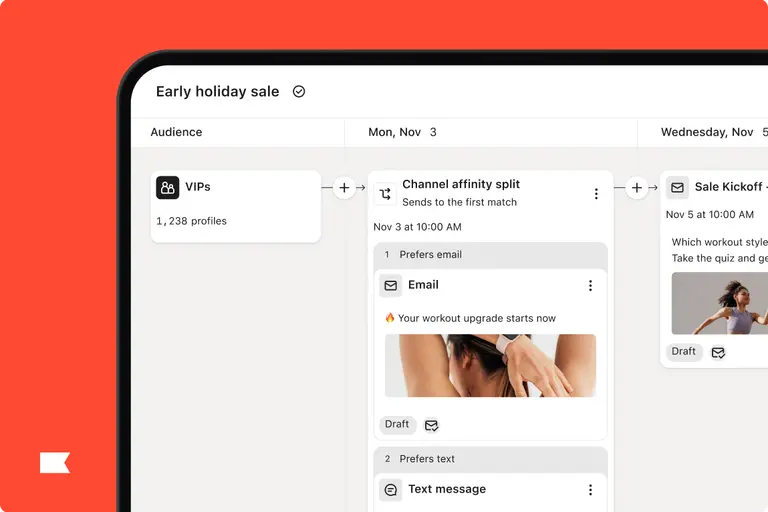
Klaviyo Customer Hub can extend beyond account management by tailoring onsite content to lifecycle stage and customer behavior. Its tracked interactions can also trigger segments and automations, connecting onsite experiences with email and text messaging.
- Set clear goals: Choose each content block based on the customer, lifecycle moment, and outcome it should influence.
- Segment onsite content: Use segments to personalize blocks for goals such as subscription uptake, seasonal inventory, or first purchases.
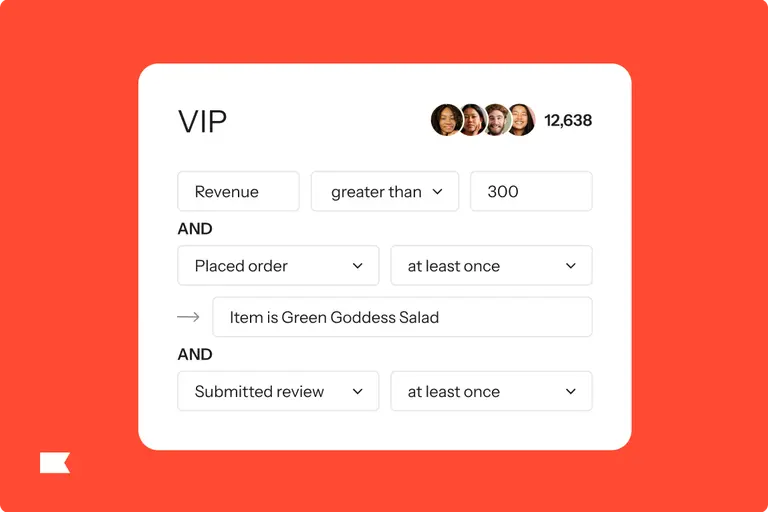
- Map lifecycle stages: Start with never-purchased, new-customer, and VIP groups, then add more granular personalization as data supports it.
- Connect journey signals: Clicks, views, and favorites can feed profiles, build segments, and trigger email or text automations.
As the founder of Victoria ap G Marketing, a specialist Klaviyo and CRM consultancy helping brands grow through smarter lifecycle marketing, I've seen the same pattern play out again and again: a brand launches something new, sees a quick lift, and stops there.
Klaviyo Customer Hub is the latest feature at risk of that fate. It's fast to set up and easy to love. But the brands getting real, compounding results from it aren't just switching it on. They're using it as a strategic layer of their customer journey, not just a static add-on.
Klaviyo brings real-time customer data, intelligence, and AI agents together so brands can power more valuable customer experiences, and Customer Hub is one of the clearest examples of what that looks like in practice.
What Customer Hub is, and why setup isn’t strategy
Customer Hub is one place for your shoppers to manage their relationship with your brand. It consolidates personalized shopping experiences and account functionality.
“Customer Hub pulls loyalty, order tracking, returns, and customer service conversations into one branded account experience on your own site,” says Ben Zettler, founder of Zettler Digital, a performance and website development agency in New York City.
“Ticket volume drops because customers can self-serve order status and returns instead of emailing you,” Zettler explains. “It’s the type of tool that will stop support teams from getting overwhelmed during high-volume sale periods like BFCM.”
Customer Hub is the type of tool that will stop support teams from getting overwhelmed during high-volume sale periods like BFCM.
If you're on Shopify, Customer Hub is about as close to plug-and-play as CRM tools get. It's already integrated with your store, so if you're running a fairly standard Shopify theme, you can have it live in a couple of clicks. Add your brand colors, connect a few API keys if you're running a subscription or loyalty program, and you're set.
That accessibility is the point. You don't need a developer or a big budget to get started, and you can test it risk-free during the trial period before deciding if it's right for your brand. That’s particularly meaningful for smaller businesses and startups: a personalized, onsite experience that used to require a dev team now takes an afternoon.
Of course, ease of set-up isn't the same as strategy. Anyone can turn Customer Hub on. The brands that get the most out of it are the ones that stop and ask, “What am I actually trying to move?”
Are you trying to convert someone who created an account but hasn't purchased yet? Push a subscription upgrade? Clear seasonal inventory?
Customer Hub content blocks can do all of that, but only if you're intentional about which block, for which customer, at which moment.
Personalization in action: 3 smart block examples
Every Customer Hub block is powered by segments, which means the experience can be different for each customer sitting in front of it. Here's what that might look like in practice for 3 different goals:
- Encourage subscription uptake. Show a subscription block only to customers who've placed two or more orders, then let their behavior tell you what to do next. If they engage with the block but don't convert, follow up with a text message or email that spells out the benefit more clearly. If they keep coming back to it without subscribing, a pop-up or an internal alert to your customer service team can flag them as a high-intent lead who needs a personal nudge, whether that's a follow-up email or a phone call.
- Push seasonal or end-of-line stock. One approach that's worked well for a wine brand I work with is showing dynamic mystery cases only to past buyers, matched to what they actually drink. A red wine buyer sees a red wine mystery case, a white or rosé drinker sees theirs. It feels tailored because it is, and that's exactly why the click rate is so much stronger than a generic "Shop now" block would get.
- Welcome new customers. For someone who's brand new, the block can do the introducing: a first-purchase incentive, your bestsellers, or a personalized code to get them started. It's the difference between dropping someone into your store cold and actually guiding their first move.
The strategic differentiator: mapping content to lifecycle stage
The brands I work with that I’ve seen get outsized results are the ones that map content to where a customer actually sits in their lifecycle, and what that customer is likely to want next.
A simple place to start is with 3 buckets:
- Never purchased: What's going to get them across the line? This might be a welcome offer, a bestseller, a clear next step shown onsite in Customer Hub. Once they interact with it, we can follow up with personalized marketing messages.
- Purchased, but new: How do you move them toward becoming a repeat customer, or even a VIP? This is where loyalty points or a "shop again" shortcut earn their place.
- VIPs: What extra value can you give your best customers? This could be early access to a new collection, a loyalty balance front and center, or simply the recognition that they're not being treated like a first-time shopper.
From there, the personalization can get as granular as your data supports. A beauty brand might show a skincare routine based on a customer's stated skin type. A brand selling to both consumers and professionals might show one audience a product spotlight and the other a webinar invite.
You don’t have to build every possible variation on day one. Start with lifecycle stage, prove the block earns its place, and layer on from there.
Personalization used to mean a name in a subject line. Customer Hub gives you a way to personalize the actual onsite experience, driven by the same segments and automations already running your email and text messaging program. That's a meaningfully different level of relevance, and it's available to any Shopify brand willing to think past the initial set-up.
How Customer Hub feeds the rest of your customer journey
The part of Customer Hub that's easiest to underestimate is what happens after someone clicks. Every interaction inside the hub gets tracked the same way an email open or click would, which means it becomes another signal in that customer's profile.
Say someone clicks on a mystery case block but doesn't buy. That's your cue for a quick text message: “Only 10 left, come back and grab yours.” It works a lot like a browse abandonment flow, except it's built entirely from onsite behavior in Customer Hub rather than email activity.
Customer Hub is actually an event stream.
Favorites work the same way. What someone saves tells you what they care about, and that becomes another layer for segmentation and personalization going forward.
This is the piece that turns Customer Hub from a nice-to-have fly-out into a genuine data source: every click, view, and favorite feeds your segments and your automations, so the onsite experience and your email and text messaging program start reinforcing each other instead of running in parallel.
“The shift for me,” Zettler says, “was realizing every action inside Customer Hub is a trigger, not just a data point. Any trigger can start a flow or build a segment the same way an email can. Customer Hub is actually an event stream.”

Related content