What K:SYD 2026 made clear
Generated by Klaviyo AI
The post recaps key insights from K:SYD 2026 on how Australian B2C brands are adapting to tighter margins, AI-shaped customer journeys, and discount fatigue. It highlights research, real-world examples, and new Klaviyo product announcements that show how data, AI, and brand experience can drive profitable, loyalty-led growth.
- Shifting shopper behaviour: New research shows Australians are buying from more brands, using AI to hunt for value, and expecting communications that recognise their loyalty and context.
- Discounting’s hidden damage: Analysis of thousands of brands finds heavy discounters grow slower and erode margins, while low discounters grow faster by using fewer, more purposeful promotions.
- Experience over efficiency: Speakers argued that while AI can handle most routine interactions, competitive advantage now lies in the surprising, human moments that close the gap between brand promise and experience.
- Agentic AI flywheel: Klaviyo introduced agentic AI tools like Composer and Customer Agent that autonomously run campaigns and service on shared data, compounding insights across channels.
- Authenticity as moat: Celeste Barber’s BOOIE story illustrates how personality, community, and deep customer understanding can build a defensible brand without relying on aggressive discounting.
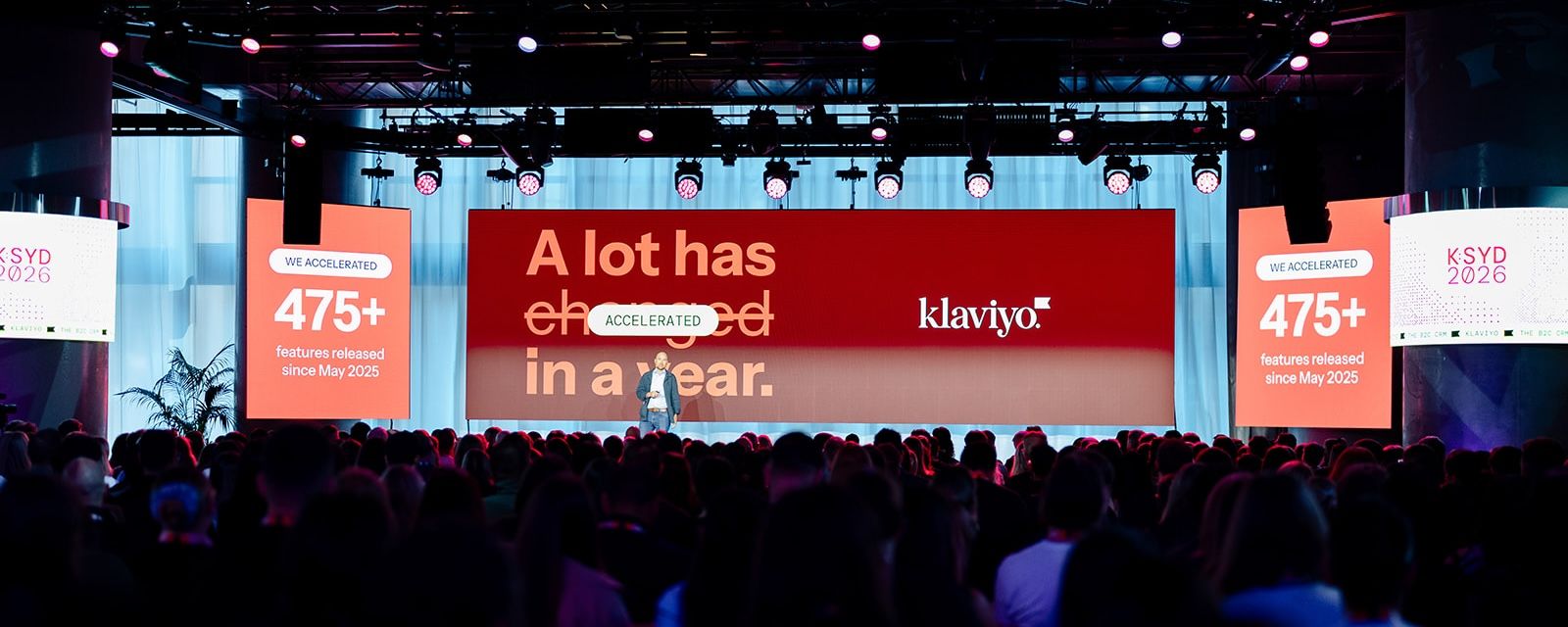
600 of Australia's best B2C marketers walked into ILUMINA on Wednesday morning for K:SYD, a day designed to give senior marketers the kind of honest, peer-level conversation that doesn't happen in a webinar or a vendor booth.
The 2026 edition brought together founders, CMOs, CRM leads, and operators from some of Australia's most recognised brands, and the ideas that landed weren't the comfortable ones.
Here's what stayed with us, and what’s worth taking back to work.
The margin of error is shrinking
Brian Kealey, Klaviyo’s vice president and managing director for the Asia-Pacific and Japan region, opened the day with a couple of stats that set the tone immediately:
- Australian shoppers are now purchasing across an average of 16 brands per year, according to new Klaviyo research (1,009 Australian consumers, May 2026).
- Basket sizes are falling even as purchase frequency rises, according to the same research.
- Amazon, Temu, and Shein added close to a million new Australian customers last year.
The brands pulling ahead in this environment aren't all spending more. They're spending smarter because they know who their customers are, what they bought last week, and what they're likely to do next. At K:SYD this year, that set the tone for everything that followed.
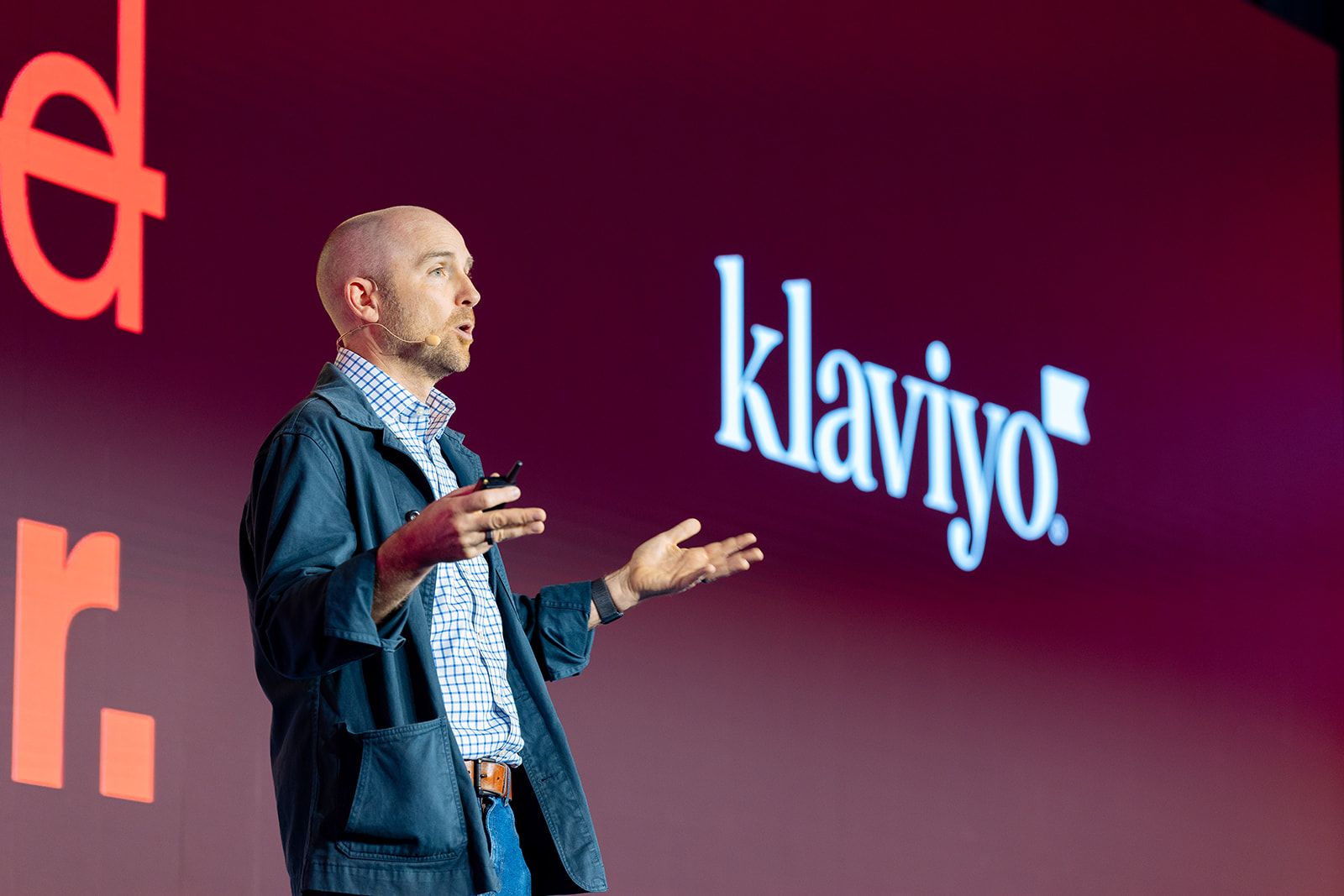
Everyone on your email list knows when an algorithm sent their message
Ed Hallen, co-founder and chief strategy officer at Klaviyo, and Jamie Domenici, chief marketing officer (CMO) at Klaviyo, opened the main stage with a few additional findings from the new Klaviyo research that reframed the conversation about what customers actually want.
According to the research:
- 92% of Australian consumers have changed how they shop due to cost of living.
- 57% are using AI specifically to find better prices or avoid overpaying.
- In the past year, the number of shoppers arriving at brand stores via AI has grown 1,936%.
- 56% of Australian shoppers want to be treated like a loyal customer or to stop receiving irrelevant messages.
Hallen showed two emails side by side: one generated by an algorithm that felt like a generic promotion, and one that read like a real brand talking to a real person. The room knew immediately which one passed what he called the "trust test." The difference wasn't the tool that wrote it. It was the data behind it.
The point is that you can't treat everyone the same and expect to win. Customer expectations have outgrown most brands' data, marketing, and customer service systems, and the gap between brands that know their customers and brands that actually act on that knowledge is widening fast.
Want to go deeper? Full session recordings, including Q&A with Dr Kellie Nuttall and Guy Nappa, coming soon.
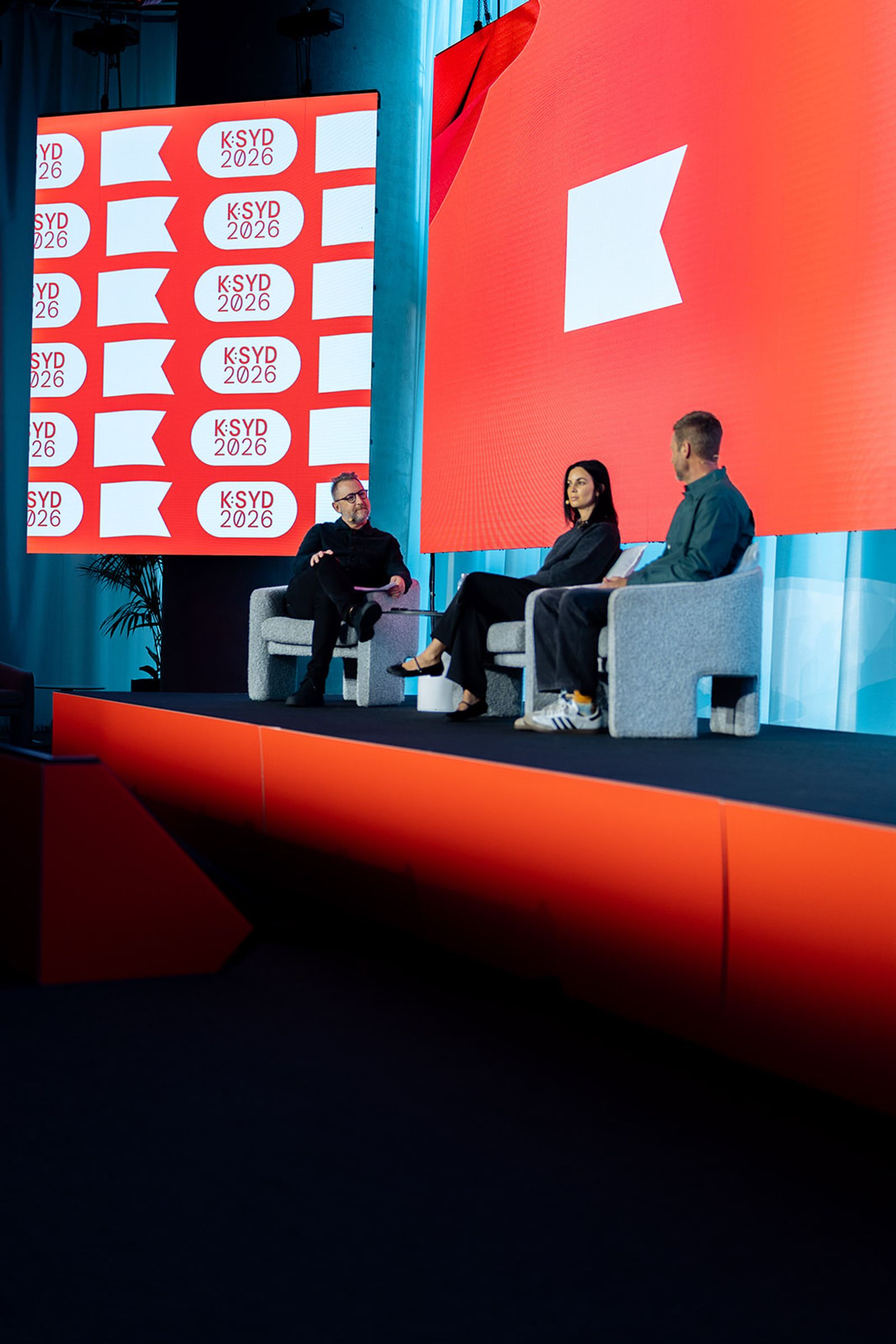
Discounting may give you a sugar high, but the hangover isn’t worth it
This was the session people were still talking about at Kocktail O'Clock.
James Hurman, co-founder of Tracksuit and Previously Unavailable, presented new research co-produced with Klaviyo and ProfitPeak that analysed thousands of global brands and 176 Australian brands tracked over 12 months. The headline: the brands discounting hardest are growing the slowest. And the profit picture is uglier than most marketing teams realise.
In the 12-month period, low discounters—brands running 1–5 promotional events per year—grew at double the rate of deep discounters—brands running 11 or more promotional events per year. That’s a margin gap of 19 percentage points, and the only meaningful difference between the two groups was how often they put things on sale.
The data also suggests that the vast majority of discounted orders, over that time period, went to returning customers—the same people who would have bought at full price anyway. That means the slow stock stays on the shelf, while hero products go out the door at a discount those customers didn't need.
And in the weeks after a sale ends, revenue falls sharply as the pipeline empties out, according to the data. Brands are borrowing the revenue captured during the sale from the weeks that follow it, and at a lower margin, too.
Hurman calls it a “sugar high”: the dashboard looks great, but the brand equity, the reference prices, and the margins erode slowly, in the numbers most marketers don't track closely enough. The gains are measured in real time. The losses show up over quarters and years.
During the session, Justin Hillberg brought the real-world version. When he took over as ANZ president at Culture Kings in early 2025, the streetwear brand was running sitewide promotional events at every calendar moment. Now, sitewide events are rare exceptions, in-house label product accounts for over half of revenue, and gross margin has grown MoM through the first half of 2026.
"We sold a lot of units this time last year, and we're not selling as many units this year,” Hillberg explained. “But it's a more profitable way to do business. Our active customer cohort is much healthier."
The advice for treating your discount habit: taper, don't quit cold turkey. The playbook is fewer events, shorter durations, and a defined purpose for each one. A discount designed to reactivate a lapsing customer is a real commercial decision. A sitewide sale because it's been a few weeks and the numbers are soft isn't.
Take action: Download the full Sugar High report.
Full session recording, including Q&A with Carla Penn-Kahn and Justin Hillberg, coming soon.
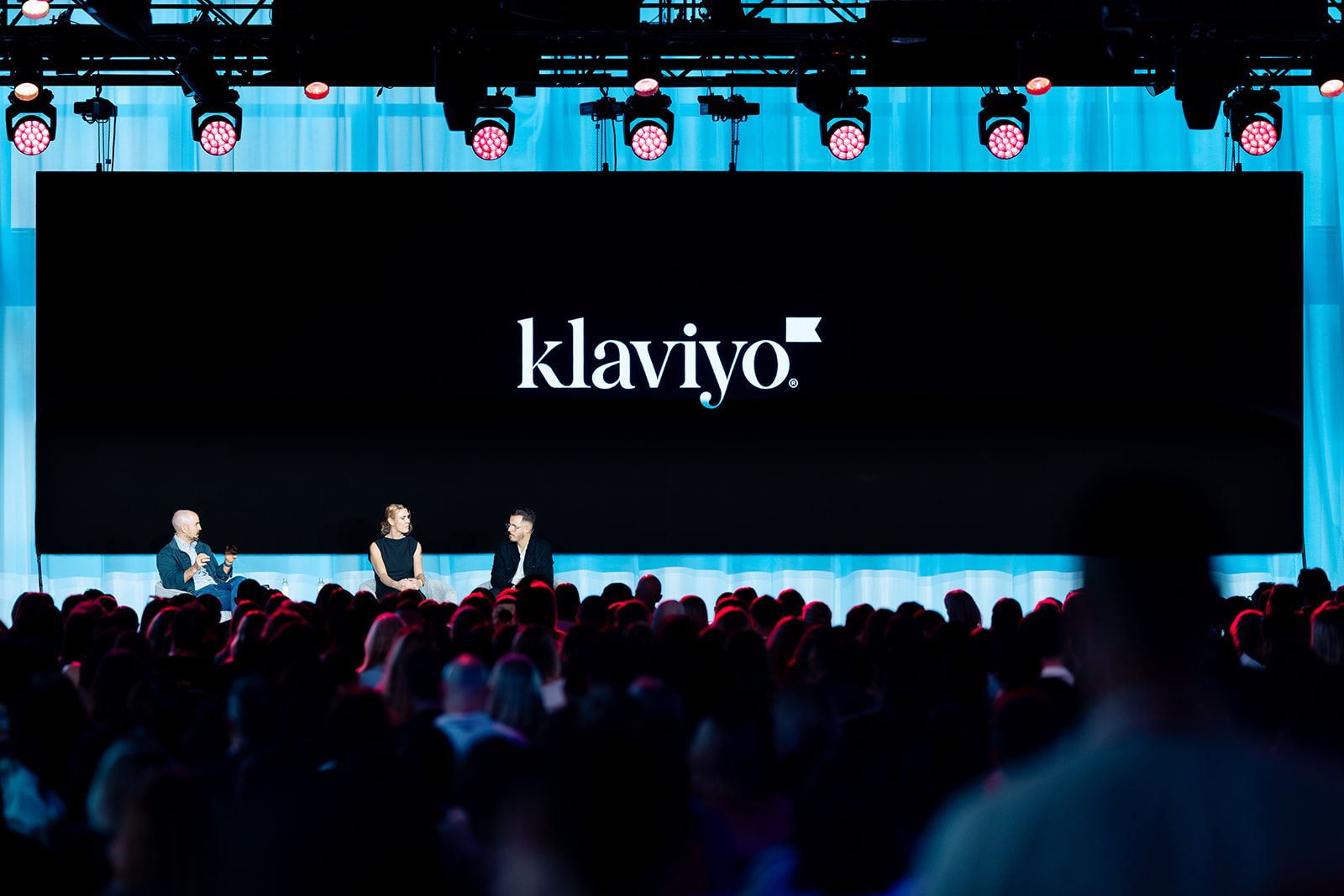
AI is handling 95%. What are you doing with the other 5%?
Jon Evans opened the “Uncensored CMO LIVE” session with a provocation built on research from System1 Group: surprise is the antidote to dullness. And customer service, not advertising or product, is the single biggest driver of emotional positivity in consumer relationships.
Evans’ argument ran like this: AI is solving for efficiency, when the real opportunity is surprise. Your advertising sets the expectation here. A premium brand promise with a mediocre brand experience is actively destructive. And even if AI were handling the predictable 95% of customer experience, the competitive advantage is shifting entirely to the 5% that algorithms could never optimise: the moments that are personal, unexpected, generous, and human.
Similarly, a CMO panel with Jamie Domenici of Klaviyo, Mim Haysom of Suncorp Group, and Susan Coghill of Tourism Australia explored how senior marketers close the gap between brand promise and brand experience, and how data makes it possible to deliver more than consumers knew to expect. All 3 CMOs shared personal experiences of brands that got it right, and brands that didn't.
The examples were disarmingly simple: a glass of champagne waiting on the table at a Mother's Day lunch, or Alo Yoga messaging Domenici every time tall pants come back into stock, because the brand knows her purchase history. No discount. No broad campaign. Just a message that arrives at the right moment, for exactly the right person, about exactly the right thing.
That's what closing the gap between brand promise and brand experience actually looks like in practice: a signal that someone’s paying attention.
The through-line back to Hurman's session was hard to miss: stop buying attention with discounts. Earn it with experiences customers don't see coming.
Full session recording, including the CMO panel with Mim Haysom, Jamie Domenici and Susan Coghill, coming soon.
The platform doing the work while your team sets the goals
Hallen returned to the main stage for the product keynote with a single organising challenge: customer expectations have outgrown most brands' data, marketing, and customer service systems.
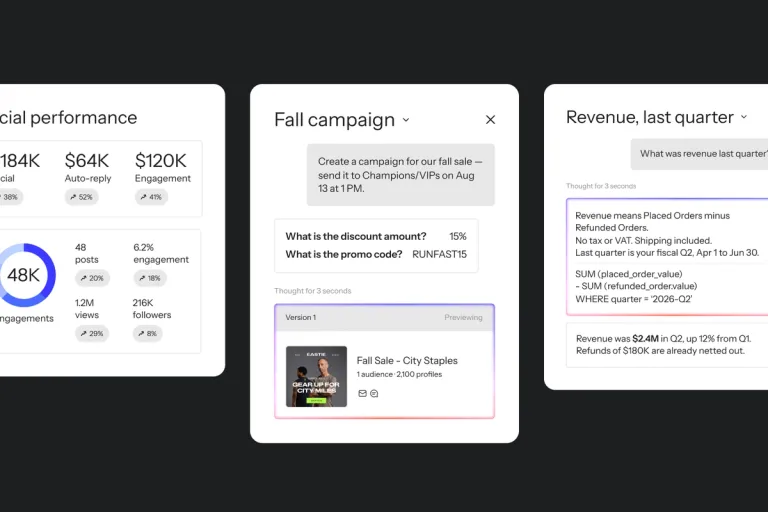
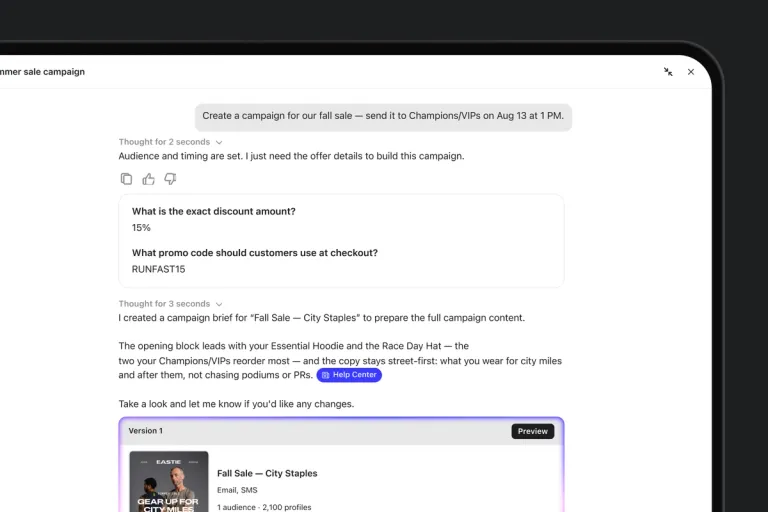
Klaviyo’s response is using agentic AI to create a recursive flywheel. Composer, Klaviyo’s AI marketing agent, creates and optimises campaigns autonomously, across email, text messaging, WhatsApp, mobile, web, and social based on your brand guidelines, product catalog, and data unified in customer profiles. K:AI Customer Agent, meanwhile, resolves FAQs, recommends products based on customers’ questions, and helps move them toward purchase, 24/7/365. Both AI agents run on the same data. Every service interaction makes the next marketing message smarter. Every marketing send feeds service context. The flywheel compounds.
Key Klaviyo product announcements from the day:
- Composer (private beta): Go from prompt to campaign in minutes. SPANX grew revenue 79% in two weeks using Composer.
- Klaviyo Social (early access, launched at K:SYD): Automate social-triggered flows, grow your lists from social, and collect data for future personalisation efforts.
- Channel affinity: AI automatically routes messages to the channel each individual is most likely to engage with next, whether that’s email, text messaging, WhatsApp, or mobile push.
- Customer Agent: Launch with full brand control and governance. With the conversational agent builder, describe what you need and the agent builds the skill for you.
As Hallen put it, "Klaviyo is the autonomous B2C CRM, bringing real-time customer data, intelligence, and agents together so brands can build relationships strong enough to compete on something other than price."
Personality, community, and customer insights as brand differentiators
Celeste Barber, comedian, founder of beauty brand BOOIE, and a Klaviyo customer, closed the day in conversation with Nicole Birbas, customer success senior director at Klaviyo.
The session, "Seriously funny business," covered what it actually looks like to build a beauty brand in one of the most crowded, competitive categories in retail—and not through aggressive pricing or constant launches, but through personality, community, and a willingness to not take the industry too seriously. Underneath the laughs was a sharper point: that knowing your customer inside and out, and refusing to treat them like idiots, is both a brand strategy and a competitive advantage.
Barber built BOOIE on the idea that self-care is the first thing people drop when life gets hard. And the beauty industry, for all its noise, isn’t doing enough to fix that. Her answer wasn't to out-spend or out-launch the category. It was to call out the BS, stay relentlessly authentic, and build something people actually wanted to own.
Barber blends creative intuition with customer data, surrounds herself with people who cover her weaknesses, and listens closely to what her community tells her. That commitment to authenticity helped BOOIE land in Woolworths within 18 months of launch, with Barber, true to form, celebrating in a sequined outfit draped across the avocados.
It was the right note to end on. The day kept returning to the same idea from different angles: in a market where every purchase decision is under pressure, the only durable advantage is a brand customers actually want to come back to. Not because you made it cheaper. Because you made it worth it.
Take action: Read the Sugar High report.
Ready to dig into what it means for your brand? Request a demo.
Related content