Plan 2026 UK campaigns by date
Generated by Klaviyo AI
The article outlines a 2026 ecommerce marketing calendar for UK brands, organised by quarter and key retail moments. It details campaign timing, channel mix, and segmentation ideas for major events from January sales through summer holidays, with guidance on adapting automations around each peak.
- Q1 reactivation focus: January–March centres on post-holiday revenue recovery with targeted campaigns for January sales, Veganuary, Dry January, Valentine’s Day, February half term, Chinese New Year, and UK Mother’s Day.
- Segmentation and timing: The calendar emphasises segmenting by behaviour, location, and past event purchasers, and using multi-touch sequences and last-chance mobile messages to match short, high-pressure gifting windows.
- Q2 seasonal demand: April–June campaigns use Easter, Earth Day, May bank holidays, half term, and Father’s Day to bridge spring and summer, with phased messaging and predictive targeting for repeat buyers.
- Q3 event-led opportunities: Summer activity is driven by the FIFA World Cup, Amazon Prime Day, school holidays, and the August bank holiday, combining thematic offers, counter-campaigns, and back-to-school launches.
- Automation and sensitivity: Guidance includes adjusting flows around major events and offering opt-outs for sensitive occasions like Mother’s Day to protect subscriber experience while maintaining campaign performance.
The marketing campaigns that feel perfectly timed were planned long before they arrived. The Valentine's gift guide that showed up while you were still deciding what to buy. The Black Friday early-access text that reached your phone an hour ahead of the rush. Behind each one is a marketing calendar that someone built early and worked from all year.
This is that calendar, for UK ecommerce brands in 2026. It runs month by month, from the January sales through to Boxing Day, and each commercially relevant date comes with a campaign blueprint covering channel mix, send timing, and segment suggestions, plus guidance on when to adjust your automated flows around major events.
January–March (Q1): post-holiday revenue recovery
January reactivation sets the year's baseline, and the next commercial moments come fast. By mid-March, you'll have moved through clearance sales, Valentine's Day gifting, and Mother’s Day, a maor spending moment for the UK.
January sales and New Year’s campaigns (1 January onward)
January is a reactivation month. The post-holiday slowdown doesn't mean your audience has disappeared. Your shoppers are in two distinct modes right now: bargain hunting (clearance sales, leftover gift card spending) and self-improvement (wellness, fitness, home organisation). Smart brands plan for both.
January gives you 3 campaign hooks that overlap through the month. Plan them as a coordinated set, each one sent to the audience it actually fits:
- January sales (from 1 January): People expect post-Christmas clearance. Your audience is actively looking for deals, especially if they browsed during Q4 but didn't buy. Segment your list into Q4 buyers (who may need re-engagement after the holiday rush) and Q4 non-purchasers (who browsed but didn't buy), and run different campaigns for each group. A "We noticed you looking" message to browsers with a January price drop on viewed products will likely outperform a generic sale blast to your full list.
- Veganuary (all month): This has become a commercial moment in the UK. Food, drink, beauty, and wellness brands can see measurable demand throughout January from shoppers experimenting with plant-based products. If your catalogue has relevant SKUs, build a dedicated collection and promote it to people who've purchased in those categories before.
- Dry January (all month): Similar to Veganuary, Dry January drives demand for non-alcoholic drinks, wellness products, and self-care. Run targeted campaigns to your engaged subscribers throughout the month, not just a single send on January 1.
For more ways to structure your January sends, explore these January marketing ideas.
Valentine's Day (14 February)
Valentine's Day is the first major gifting event of the year and one of the highest-pressure dates for delivery timelines. The campaign window is short and heavily weighted toward last-minute shoppers, so your send schedule may end up mattering more than your creative.
A 3-touch campaign works well here:
- 10–14 days out: a teaser email to your VIP or repeat-gift-buyer segments that grants them early access to your Valentine's Day range or a first look at curated gift edits
- 7 days out: a full-list announcement with your main Valentine's offer, gift guide, or collection
- One or two days out: a short last-chance text to non-openers, focused on delivery cut-off or gift card options for anyone who left it late
The key here is coordination. You want someone who already purchased from the first email to be excluded from the last-chance text message. Segment your sends based on what each subscriber has already done, rather than blasting the same message to everyone regardless of whether they've already converted.
One more thing worth doing in late January: update your on-site sign-up forms with a Valentine's Day hook to capture new subscribers before the campaign launches. A "Get early access to our Valentine's Day edit" form swap takes minutes and grows your send list right before you need it most.
For more campaign inspiration and examples, check out these Valentine's day marketing ideas.
February half term (16–20 February)
February half term is an overlooked demand window for family-focused brands. If your brand sells kids' products, activities, travel accessories, and indoor entertainment, consider leaning into marketing messaging during this week.
Half term works well as a text or WhatsApp moment. Send a short, timely message to subscribers with children or a family-related purchase history in the days before the holiday starts, while parents are still planning the week. A curated product pick or a limited-time offer is enough to keep it lightweight and relevant, without the lead time of a full campaign series.
Pancake Day / Shrove Tuesday (17 February))
Pancake Day doesn't need a full campaign arc. One well-timed text or WhatsApp message the morning of is enough. Food, kitchen, and lifestyle brands can tie it to a product recommendation or a limited-time offer. Keep it light, keep it fun, and let your brand personality do the work.
Chinese New Year (17 February))
Chinese New Year, also known as Lunar New Year, is widely celebrated across East and Southeast Asian communities. For UK beauty, fashion, and gifting brands with customers in these communities, it's a targeted campaign opportunity worth planning for.
If your customer data shows a segment that has engaged with Lunar New Year content or purchased in related product categories, a targeted message featuring themed products or a curated collection is worth the effort. Build your segments and get creative approved 2–3 weeks in advance.
Mother's Day / Mothering Sunday (15 March)
In the UK, Mother's Day is one of the biggest gifting moments of the year. UK consumers spent an estimated £1.67 billion on Mother's Day in 2025, up 5.3% YoY, with 59% of consumers purchasing gifts.
The date trips up brands that operate across both UK and US markets. UK Mother's Day (also known as Mothering Sunday) falls in March, while the US date is in May. If a global or US-based team manages your campaigns, or if you use a single campaign calendar for both markets, it's easy to default to the May date and miss the UK window entirely. Any brand selling to both audiences needs separate campaigns on separate dates.
The campaign arc should start early and build urgency as the date approaches:
- 2–3 weeks out: a "Start shopping early" email to your full list, positioning your range as a gifting destination
- 10 days out: a curated gift guide email with product recommendations segmented by price point or purchase history
- 3–5 days out: a last-chance reminder via text message with delivery cut-off dates front and centre, where urgency becomes the primary message
- Day of: an "It's not too late" text message or push notification pushing gift cards or click-and-collect options for anyone who left it to the last minute
One segment worth building ahead of time is last year's Mother's Day purchasers. Pull them into their own cohort and send them an early-access or reminder email before the wider list. These are high-intent buyers who have already demonstrated gifting behaviour around this date, and reaching them first gives you a head start on conversions.
You should also build location-based segments so your UK and US audiences receive the right campaign on the right date. It takes minutes to set up and saves you from accidentally sending a May Mother's Day email to your UK list in March.
Finally, it’s worth giving subscribers the option to opt out of Mother's Day emails. Mother's Day can be difficult for people dealing with loss, estrangement, or fertility struggles, and a flood of gifting emails can feel overwhelming. Sending a short email a few weeks before your campaign launches, with a one-click option to skip Mother's Day sends, protects those subscribers while reducing your risk of unsubscribes. You can set this up as a profile property, then use it to suppress opted-out subscribers from your Mother's Day campaigns and flows without removing them from everything else.
April–June (Q2): spring gifting and bank holiday demand
Q2 shifts into a different rhythm, with bank holidays, longer days, and the build-up to summer. Easter kicks off a two-week demand window, and Father's Day closes the gifting calendar until Q4.
Easter weekend and school holidays (30 March–10 April)
Easter in 2026 runs from Good Friday (3 April) through Easter Monday (6 April), but the surrounding school holiday stretches 30 March–10 April in most of England and Wales. That makes Easter a two-week demand window, not a single weekend.
Confectionery, gifting, kids' products, toys, home and garden, and DIY categories all see sustained demand across the full break. Plan for 3 phases rather than a single send:
- The week before school breaks up: pre-Easter email campaign with gift guides, seasonal collections, and any Easter-specific product ranges
- Bank holiday weekend: a time-sensitive mobile push, text message, or WhatsApp push with offers that expire over the long weekend
- Final days of the school holiday: a post-Easter clearance or spring refresh message to capture the tail end of demand before families return to their normal routines
Set up a multi-touch sequence across the full two-week window, with segmented follow-ups based on engagement. Someone who clicked but didn't buy from your first email should receive a nudge mid-week with a different product angle or a reminder that your Easter offer is ending soon.
Earth Day (22 April)
Earth Day is a content and brand-building moment. Brands with genuine sustainability credentials should use it to tell that story. One well-crafted, visually appealing email, WhatsApp, or RCS message to your engaged segment highlighting what your brand is actually doing is enough. If you don't have a clear sustainability angle, skip it rather than risk performative messaging.
Early May bank holiday (4 May)
The Early May bank holiday gives UK shoppers a 3-day weekend, and spending patterns reflect it. Outdoor, garden, travel, and fashion categories may see a lift as people make the most of the longer break and the warmer weather.
One message promoting relevant seasonal products, timed for the Thursday or Friday before the long weekend, is enough here. A text to engaged subscribers on Saturday morning can capture impulse purchases from people who are already in spending mode.
May half term and spring bank holiday (25–29 May)
The spring bank holiday (Monday, 25 May) coincides with the school half term week, giving families a full week off. This is the last major pre-summer campaign window, and you should treat it as a bridge between spring and summer ranges. Use it for early summer product launches, outdoor and travel promotions, and clearance of remaining spring stock.
Send an email on the Thursday before the bank holiday and a text message that Saturday to capture weekend shoppers. Predictive analytics can sharpen your targeting here: a predicted next order date shows which subscribers are most likely to buy again soon, so you can build a segment from that property and send to the people already in a buying cycle.
Father's Day (21 June)
Father's Day is the final gifting peak before the summer lull. GlobalData's lead retail analyst noted that unlike Mother's Day, Father's Day tends to lack momentum in retail until closer to the event.
That gap is an opportunity. Brands that give Father's Day the same level of effort they give Mother's Day (segmentation, multi-touch sequences, last-chance texting) will stand out.
The structure from your Mother's Day campaign translates directly: an early email to last year's Father's Day buyers, a wider gift guide email, and a last-order reminder via text message or WhatsApp. The work you did in March pays off here in June.
One thing that simplifies planning here: Father's Day in the UK and US falls on the same date (the third Sunday in June), so unlike Mother's Day, there's no date-split problem. You can run a single campaign to both audiences.
For more ideas, explore these Father's Day marketing strategies.
July–September (Q3): summer demand and peak season prep
Q3 brings longer campaigns, event-driven moments, and the build-up to peak season. The FIFA World Cup, Amazon Prime Day, and 6 weeks of summer holidays create sustained demand across categories.
FIFA World Cup 2026 (11 June–19 July)
The 2026 FIFA World Cup is a 5-week campaign window that cuts across categories: fashion, food and drink, electronics, homeware, and sportswear all see demand. The tournament runs 11 June–19 July, hosted across the US, Mexico, and Canada, so UK match times will vary.
Both England and Scotland qualified, and the group stage dates are confirmed:
- England (Group L): vs. Croatia on 17 June (9 p.m. BST), vs. Ghana on 23 June (9 p.m. BST), vs. Panama on 27 June (10 p.m. BST)
- Scotland (Group C): vs. Haiti on 14 June (2 a.m. BST), vs. Morocco on 19 June (11 p.m. BST), vs. Brazil on 24 June (11pm BST)
England's evening kick-offs are prime "second screen" windows where UK audiences are at home, watching the match, and browsing on their phones. Plan thematic content around key match dates, run time-limited offers tied to match days, and use texting or WhatsApp for timely engagement on match evenings. Pre-build mobile messaging templates tied to the tournament schedule so you can move quickly around key fixtures, using segments of sports-engaged subscribers.
Amazon Prime Day (estimated early–mid-July)
Amazon has historically held Prime Day mid-July, and typically confirms the date 3–4 weeks before the event. Keep an eye out in late May or early June.
Regardless of the exact date, Prime Day lifts consumer expectations across the entire UK ecommerce market, and brands that aren't on Amazon still feel the pressure to compete on price and delivery speed. Rather than trying to match Amazon's discounts, consider running a counter-campaign: exclusive offers for mobile app users and email, text message, and WhatsApp subscribers, early-access deals for VIP segments, or bundled offers that protect margin.
A "why shop with us" message that leans into brand values, product quality, or customer service, for example, could resonate more than trying to out-discount a marketplace. Or, build a VIP early-access segment and send a counter-campaign sequence that runs in parallel with Prime Day.
Summer school holidays (24 July–31 August)
The 6-week summer holiday is a sustained, lower-intensity demand window where family, travel, outdoor, and kids' brands can maintain consistent revenue with regular sends. Shift from event-driven campaigns to a steady cadence of product-focused emails: new arrivals, summer edits, and activity-based recommendations.
This is also the window to begin planning your Q4 campaigns and building the segments you'll need for Black Friday Cyber Monday (BFCM).
Summer bank holiday and back to school (31 August)
The last Monday of August serves two purposes: clearing summer stock and launching back-to-school campaigns. Run a bank holiday weekend sale to move remaining summer inventory, and simultaneously launch your back-to-school email sequence for families. School supplies, kids' clothing, and lunch accessories all see demand in this window.
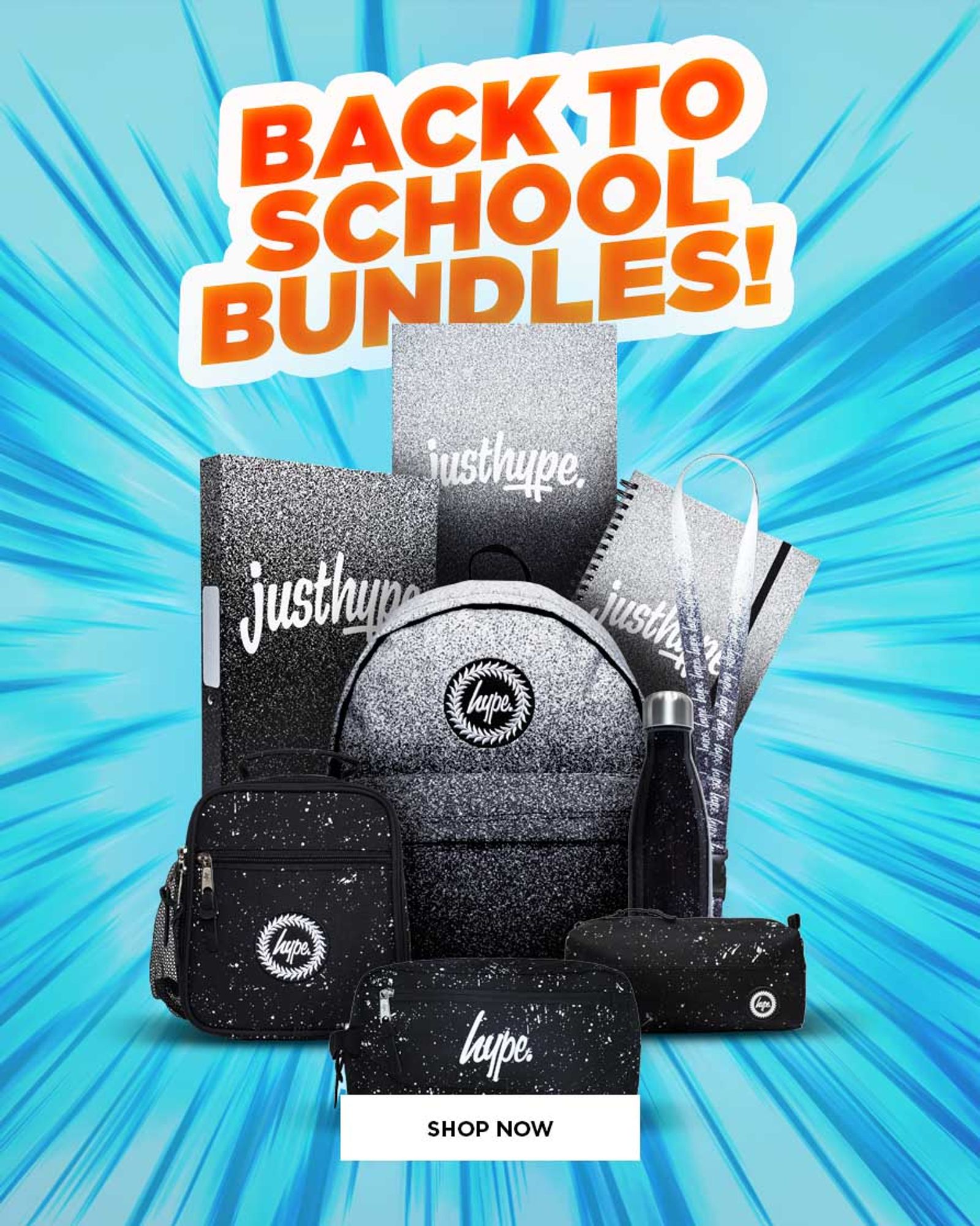
HYPE is a UK youth fashion brand known for bold graphic prints across clothing, backpacks, and accessories. Their 2025 back-to-school email campaign leans on product bundling: the backpack, lunch bag, pencil case, water bottle, and stationery are sold as one coordinated set. Bundling like this lifts average order value and makes the decision easy for a parent who would otherwise source each item separately. The bright design and single call to action keep the campaign focused on one clear next step.
October–December (Q4): peak season revenue
This is where you win or lose the year. From Halloween through BFCM to Christmas and Boxing Day, you need to consider every send more strategically than the last.
October half term (26–30 October)
October half term overlaps with the Halloween build-up and creates a week-long demand window for family and kids' brands. Time your Halloween campaign launch to coincide with half term, when parents are looking for activities and costumes.
Halloween (31 October)
Halloween keeps growing as a UK commercial event. UK consumer spending on Halloween was estimated to have quadrupled since 2013, reaching over £775 million in 2024. It works for a wider range of brands than most marketers assume: beauty and cosmetics (themed looks), fashion (party outfits), homeware (decorations), and food and drink all see genuine demand.
A two-touch marketing campaign works well here: a themed product email 7–10 days out, and a last-chance text or WhatsApp message 1–2 days before. Lean into creative and brand personality rather than heavy discounting.
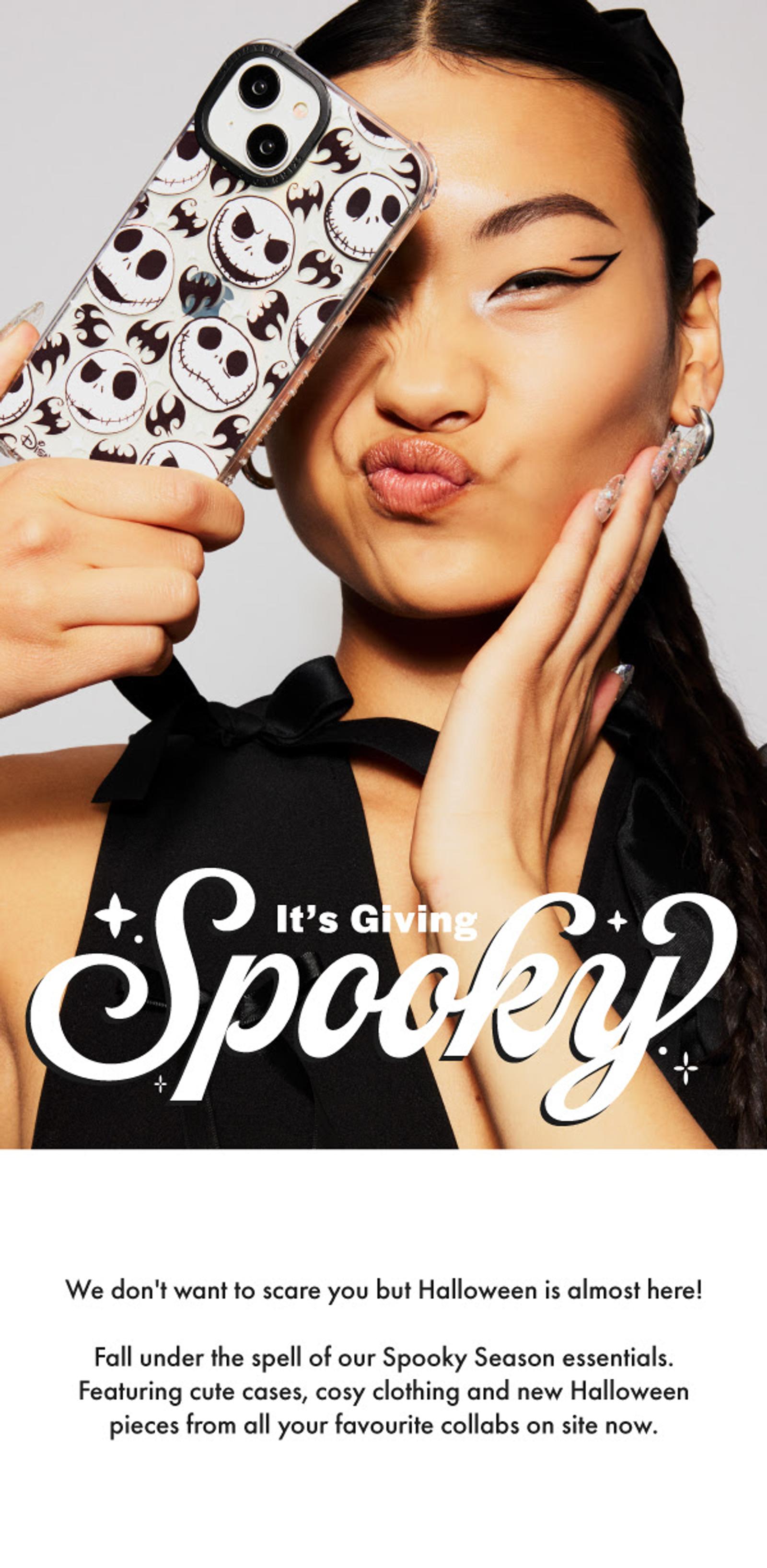
Skinnydip London is a UK fashion and accessories brand known for statement phone cases, bags, and licensed collaborations. Their 2025 Halloween email, headlined "It's Giving Spooky," shows how a brand outside the costume and confectionery aisle can still own the season. The campaign gives Skinnydip's core range a seasonal spin, with skull-print phone cases, cosy clothing, and themed collaboration pieces, all carried by playful, on-brand copy. There's no discount anywhere in it. For a fashion or lifestyle brand, that's the Halloween play: personality and a themed edit of what you already sell.
For more inspiration, check out these Halloween marketing examples.
Bonfire Night (5 November)
Bonfire Night is a UK-specific date that works as a single-send texting or WhatsApp moment for food and drink, outdoor clothing, and party supply brands.
Party supplies and outdoor clothing get bought ahead of the night, so schedule an earlier send for those categories, around a week out, leaving enough runway for delivery. A short text or WhatsApp message on the day or the evening before still works as a timely nudge, and suits food and drink or last-minute plans. Keep the tone casual and low on hard selling.
Singles' Day (11 November)
Singles' Day (11/11) originated in China but is gaining traction in the UK, particularly as a self-gifting moment. It sits two weeks before BFCM and can serve as a test run for your Q4 campaign infrastructure.
Run a single email with a self-treat or self-care angle, targeted at your most engaged segment. Use it to test subject lines, offers, and creative formats before BFCM stakes are higher, then feed those learnings directly into your BFCM campaign set-up.
For more inspiration, explore these Singles’ Day marketing ideas.
Black Friday Cyber Monday (27–30 November)
BFCM is a multi-week campaign arc that requires planning and segmentation well in advance. During BFCM 2025, Klaviyo customers generated $3.8 billion in Klaviyo-attributed revenue, up 27% YoY, with 43% of Black Friday GMV driven by email and SMS. Structure your approach around 3 phases:
- Pre-BFCM (2–3 weeks before): Build anticipation. Send early-access messages to your VIP segment to start building momentum. Tease upcoming deals without revealing specifics. Update your on-site pop-ups to capture BFCM-specific subscribers. Brands that added SMS to their strategy saw a 20% year-on-year increase in ecommerce revenue during BFCM 2024, so this is also the window to push text messaging opt-ins.
- BFCM weekend (27–30 November)
- Thursday evening: teaser text, WhatsApp message, or push notification to VIPs with early access
- Friday morning: full-list launch with your main offer
- Small Business Saturday: text message reminder to BFCM campaign non-openers via SMS, plus a brand storytelling email or social post highlighting what makes your brand different from big retailers
- Sunday: "ending soon" message to create urgency, on the channel each subscriber is most likely to engage with
- Monday: Cyber Monday pivot with online-only deals
- Post-BFCM (first week of December): Shift to a "thank you" and retention message. Re-engage browsers who didn't convert with a follow-up offer or product recommendation. This is where you transition BFCM shoppers into your Christmas campaign arc.
As always, use behavioral segmentation that excludes people who already bought from subsequent reminders and discount pushes. Someone who converted on Friday morning should get a thank-you message, not 3 more sale emails over the weekend.
For a detailed breakdown, read the full Black Friday marketing plan.
Christmas campaign arc (1–25 December )
Christmas is a 4-week campaign arc with distinct phases, and each phase requires different messaging and channel choices:
- Early December (1–10 December ): This is the highest-intent browsing window. Send gift guides, curated collections, and emails that group products by who the gift is for, such as gifts for him, for her, or for kids. Your audience is actively looking for ideas and comparing options across brands.
- Mid-December (11–18 December ): Shipping cut-off communications become the primary message. Every message you send should include the last order date for guaranteed pre-Christmas delivery. The urgency here is genuine, so communicate it directly.
- Late December (19–25 December ): Pivot to digital gift cards and click-and-collect options. Mobile channels become the primary way to reach last-minute shoppers. Reduce email volume as inboxes are saturated and attention shifts away from promotional messages.
For more detail on structuring your December sends, explore these Christmas email marketing strategies.
Boxing Day sales (26 December )
Boxing Day is a distinctly UK and Commonwealth event with no US equivalent, and it’s a major opportunity for ecommerce brands: UK consumers spent over £500 million online on Boxing Day alone in 2025.
The key to Boxing Day is pre-scheduling. Build and schedule your sale emails before Christmas, because your team will not want to be building campaigns on 26 December.
Send a single email early on Boxing Day morning, followed by a mobile message via texting, WhatsApp, or push to engaged subscribers mid-morning. Focus on clearance, end-of-season stock, and "Treat yourself" messaging. Pre-schedule the entire sequence so it runs while the team is off.
For inspiration, check out these Boxing Day marketing examples.
New Year's Eve (31 December)
New Year's Eve can work as either a sales moment or a relationship-building one, depending on your brand. Party-related categories (fashion, beauty, food and drink) can run a targeted promotion, while other brands may get more value from a year-in-review email or a "thank you" message to their most loyal segment.
Either way, this is also the right time to tease January campaigns (Veganuary, Dry January, New Year’s sales) to build anticipation for the cycle starting again. One message is enough.
When to adjust your automated flows
Your always-on automations (welcome series, abandoned cart, browse abandonment, post-purchase, win-back, etc.) run in the background all year.
But during major campaign periods, they can end up competing with your campaign messaging or sending content that feels out of step with what's happening on your site. An abandoned cart email promoting a 10% discount while your homepage is advertising 30% off for Black Friday creates a disconnect.
A sophisticated CRM gives you the tools to manage this. Dynamic segmentation in campaigns and conditional splits in flows make sure people who engage with one message within a multi-message campaign or flow sequence do not receive another. Frequency controls prevent messages from stacking within a short time window. And flow filters can suppress someone from a lower-priority flow entirely if they've entered a higher-priority one.
If your current platform supports these features, the adjustments below become straightforward. If it doesn't, that's a sign you’ve outgrown it.
Here are the key flow adjustment windows to schedule alongside your campaign calendar:
- Pre-BFCM (one or two weeks before Black Friday): Swap your standard abandoned cart and browse abandonment flows for BFCM sale-specific versions. Update the creative, add urgency messaging, and reference your BFCM offers. Revert everything 48 hours after Cyber Monday.
- December: Add shipping cut-off messaging to your abandoned cart and post-purchase flows. A reminder like "Order by December 18 for guaranteed Christmas delivery" in your cart recovery emails can recover sales that would otherwise be lost to delivery anxiety.
- January: Update your welcome series to reflect New Year’s messaging and offers. A new subscriber joining your list in January should see content that matches the moment, not leftover Christmas copy.
- Pre-Valentine's Day and pre-Mother's Day: Add gifting-specific product recommendations to your browse abandonment flows. Someone browsing your site in the week before Valentine's Day is likely shopping for a gift, and your automated follow-up should reflect that.
Just don’t forget to revert flows after an event ends. A BFCM-specific abandoned cart email still running in mid-December confuses your subscribers and undermines your Christmas messaging. Map out the revert dates alongside the swap dates so nothing gets left behind.
Start planning your 2026 marketing campaigns now
The brands that perform best during peak season start planning months in advance, and the same applies to every major date on this calendar. Now you have campaign structures, channel guidance, segment suggestions, and flow adjustment timelines you can act on.
The brands that get the most out of a calendar like this are the ones running it from a platform that can handle the complexity: coordinating email, text messaging, WhatsApp, and mobile push from one place, building segments based on purchase behaviour and engagement, swapping flow content around key dates, and tracking performance across channels without stitching together data from separate tools.
That's exactly the kind of work Klaviyo, the autonomous B2C CRM, was built for.
Map these dates into your campaign schedule, build your segments ahead of time, and give yourself the runway to test before the moments that matter most. Get started with Klaviyo to put this calendar to work today.
This free 2026 marketing calendar gives you 90+ dates with campaign-planning tactics built in.
FAQs about ecommerce calendars
How far in advance should I plan my ecommerce marketing calendar for 2026?
At minimum, plan one quarter ahead. Map out your Q1 campaigns before December, your Q2 campaigns before March, and so on. For peak season events like Black Friday Cyber Monday and Christmas, start planning 2–3 months in advance to allow time for building segments, creating campaign assets, and testing your flows. The earlier you start, the more time you have to test subject lines, offers, and creative before the highest-stakes sends of the year.
What UK ecommerce dates are different from US retail dates in 2026?
The biggest one is Mother's Day. UK Mother's Day (also known as Mothering Sunday) falls on 15 March 2026, while the US date is 10 May. Boxing Day (December 26) is a major UK and Commonwealth shopping event with no US equivalent. UK bank holidays (early May, spring, and summer) also create long-weekend demand windows that don't align with the US calendar. Any brand selling to both markets needs separate campaign schedules for these dates.
How many promotional campaigns should my ecommerce brand run per year?
There's no single right number, but this guide covers 24 commercially relevant dates for UK ecommerce brands. You don't need to campaign around all of them. Focus on the dates that align with your product range and audience. For most UK ecommerce brands, Black Friday Cyber Monday, Christmas, and 3–4 gifting events (Valentine's Day, Mother's Day, Father's Day) form the core, with lighter sends around bank holidays and cultural moments.
What’s the best way to organise an ecommerce calendar across email, texting, mobile push, and WhatsApp?
Plan from one calendar and build from one CRM. When your campaign schedule, segments, automations, and channels live in separate tools, it's easy for messages to overlap or contradict each other. A unified platform lets you coordinate send timing across email, texting, mobile push, and WhatsApp, apply frequency controls so subscribers aren't overwhelmed, and track performance across channels in one place. Build your calendar in a shared document or project management tool for visibility, then orchestrate it from your CRM.
Can I use the same ecommerce calendar for both UK and international customers?
You can use it as a starting point, but you'll need to adjust for date differences and regional relevance. Mother's Day is the most common pitfall, as the UK and US dates are months apart. Boxing Day, bank holidays, and events like Bonfire Night are UK-specific and won't resonate with a US or broader European audience. If you sell internationally, build location-based segments so each audience receives campaigns relevant to their market. A shared calendar framework with regional variations is more practical than maintaining completely separate calendars.

Related content