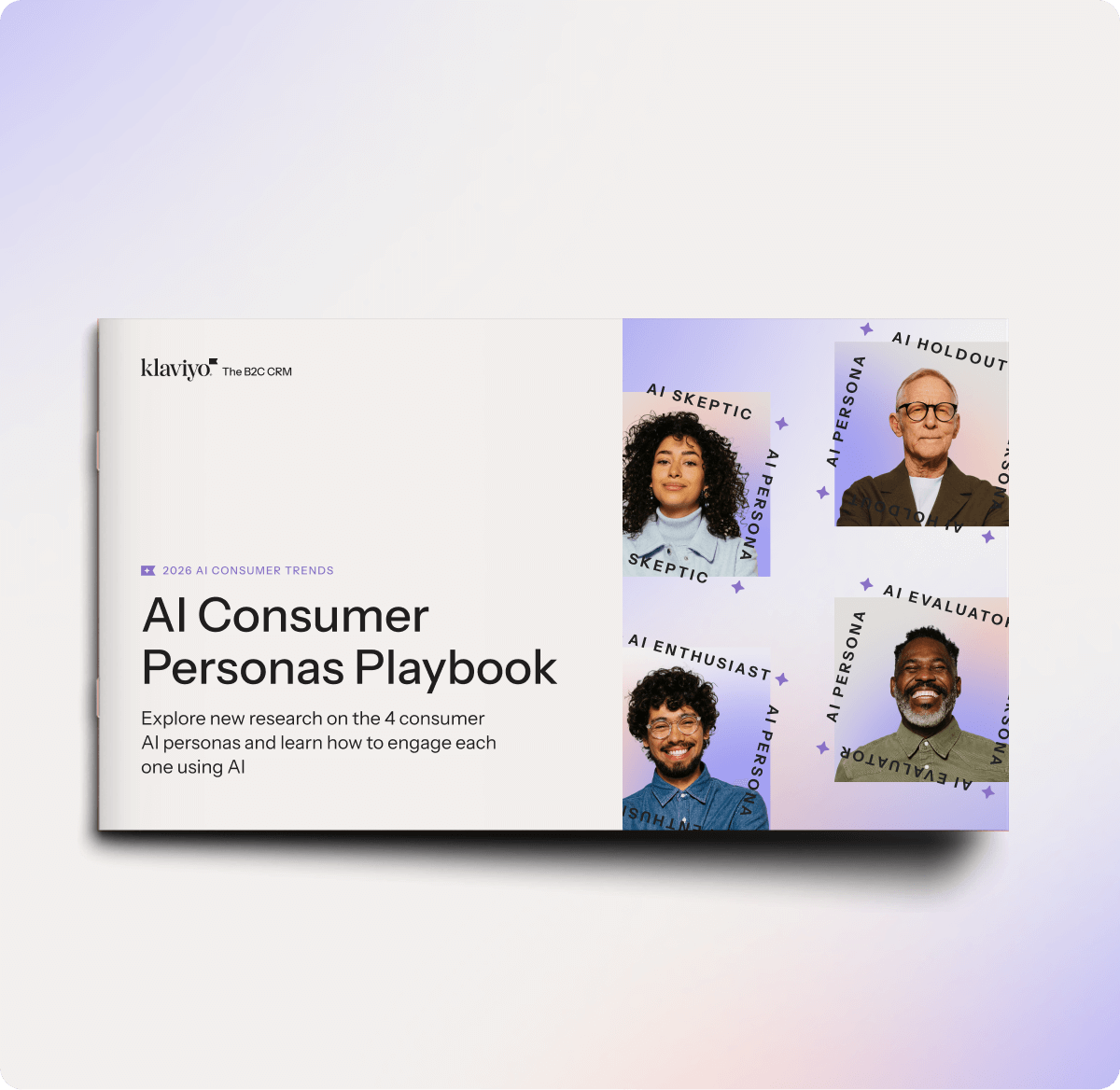
KI-Engagement im Koordinatensystem
60 % der Verbraucher*innen weltweit nutzen KI mindestens einmal pro Woche. Doch wie sehr vertrauen sie ihr eigentlich? Erfahre, wie sich die Gewohnheiten und Einstellungen bei diesem Thema unterscheiden.
Die Daten zeigen: Kund*innen haben unterschiedliche Ansichten über KI. Erfahre mehr über neue KI-Trends und sieh dir an, wie vier neue Verbraucher-Personas die Erwartungen an moderne Marken verändern.
Bist du bereit, diese Erkenntnisse umzusetzen?

Im letzten Jahr haben viele Verbraucher*innen begonnen, KI selbst zu nutzen. Sie verwenden LLMs beim Shoppen, bei der Recherche und für die Entscheidungsfindung. Dabei entwickeln sie auch differenziertere Einstellungen dazu, wie diese Technologie in ihr Leben passt – und die Meinungen gehen weit auseinander. Daher stehen Marken vor einer Herausforderung: Wenn die „KI-Komfortzone“ immer unterschiedlich aussieht, welche Strategien führen dann zu einem positiven Kundenerlebnis?
Unsere Antwort: Lass Daten sprechen. Um das sich wandelnde Verbraucherverhalten besser zu verstehen, haben wir mehr als 8.000 Verbraucher*innen weltweit zu ihrer KI-Nutzung, ihrem Vertrauen in die Technologie und ihrer Markenwahrnehmung befragt. Erfahre, was das alles für dein Unternehmen bedeutet, indem du das KI-Engagement als Art Koordinatensystem ansiehst und unsere neuesten Erkenntnisse liest.
60 % der Verbraucher*innen weltweit nutzen KI mindestens einmal pro Woche. Doch wie sehr vertrauen sie ihr eigentlich? Erfahre, wie sich die Gewohnheiten und Einstellungen bei diesem Thema unterscheiden.
The AI era isn’t about using AI everywhere. It’s about using it in ways consumers actually value. When shoppers feel understood, respected, and in control, AI becomes a better experience, not a bigger risk.
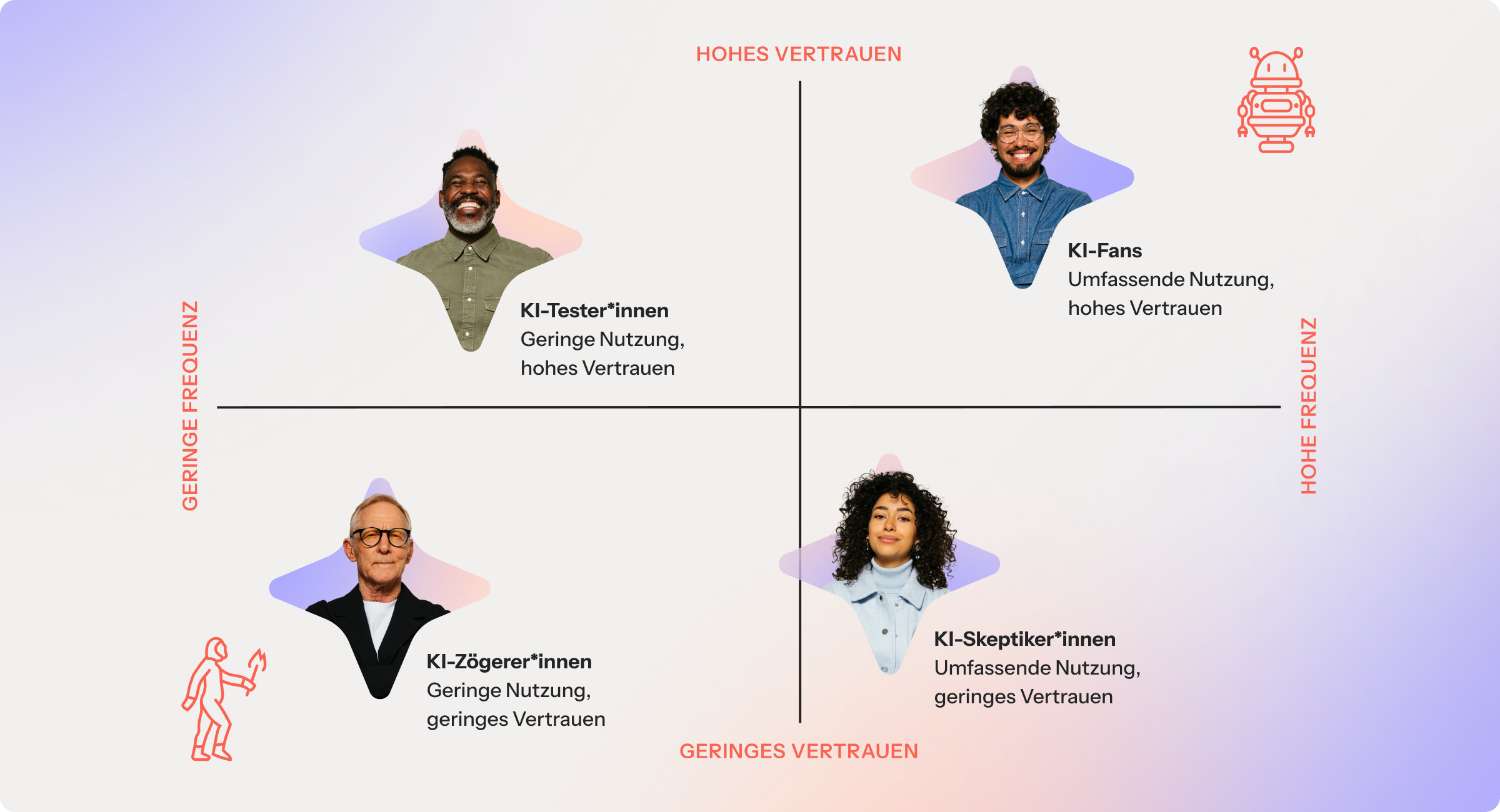
Jede Persona repräsentiert eine andere Denkweise – und gibt dir wertvolle Hinweise, wie du deine KI-Strategie anpassen kannst.

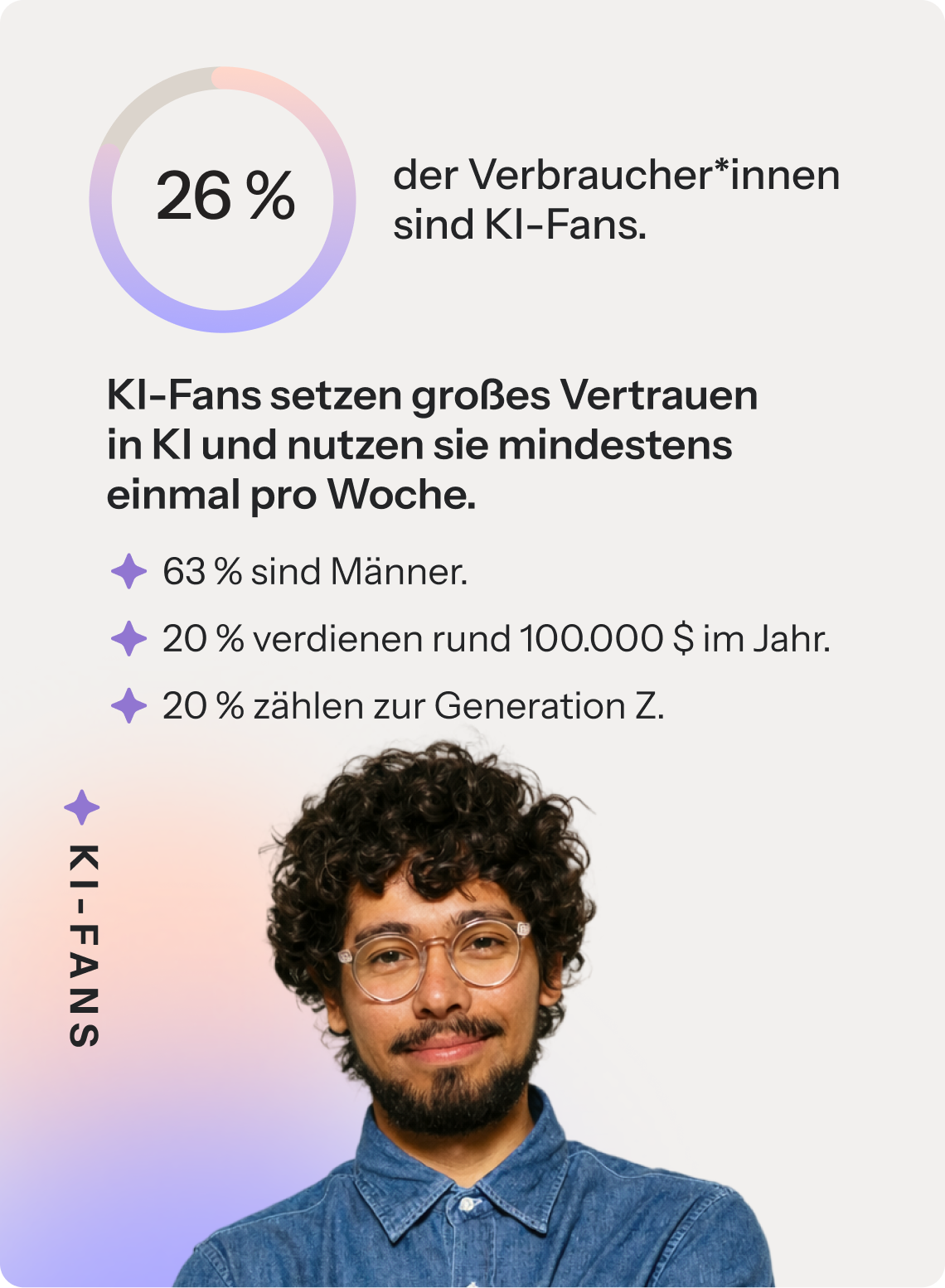
„KI erleichtert meinen Alltag. Ich nutze sie regelmäßig und hinterfrage sie selten.“
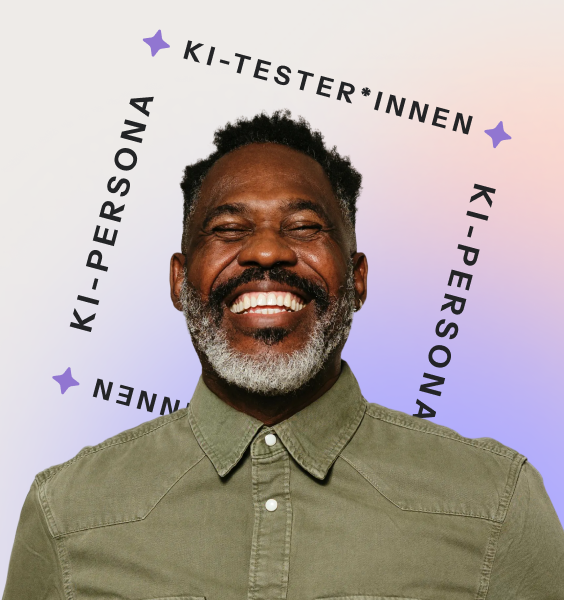
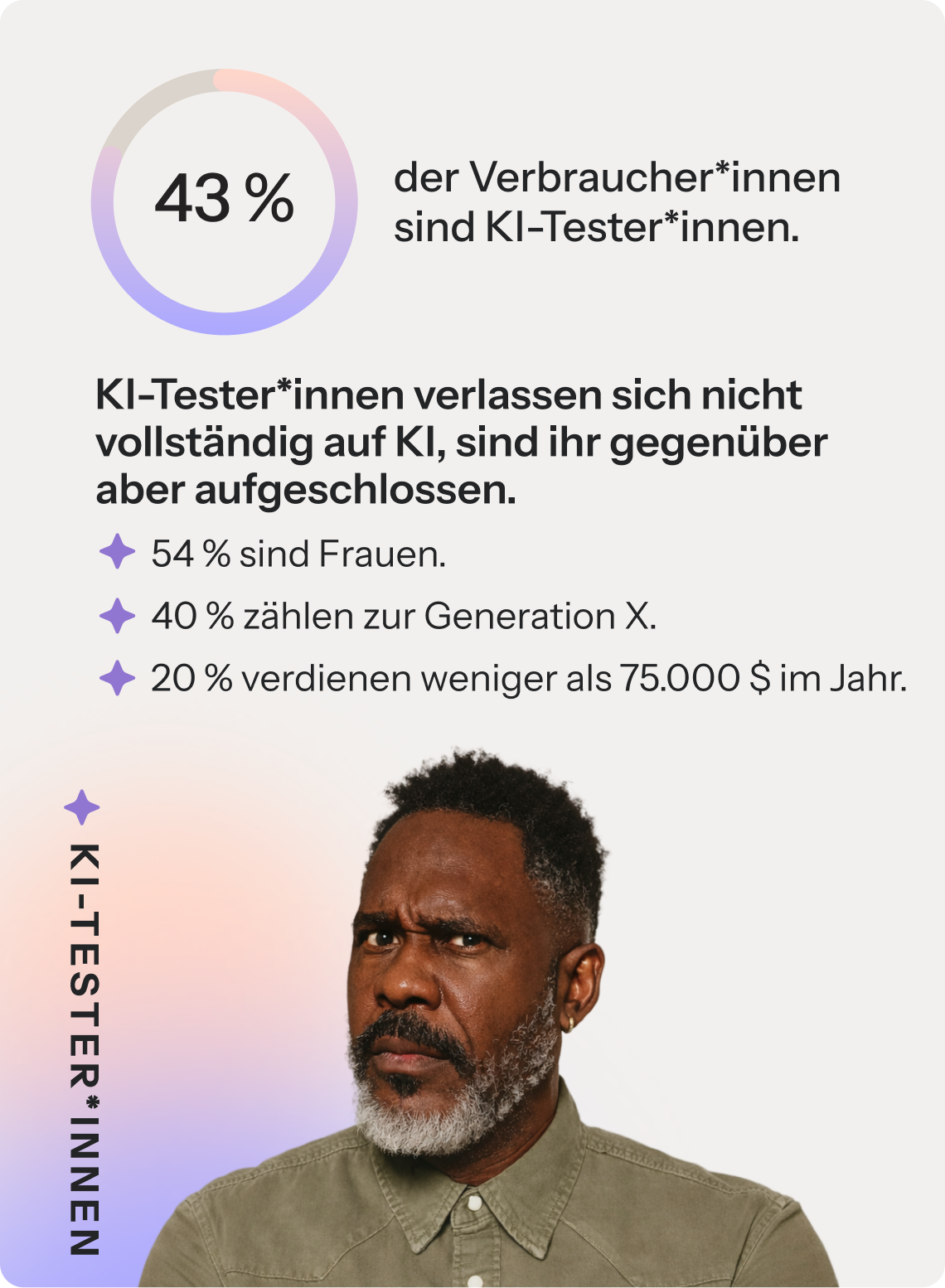
„KI hat viel Potenzial, aber ich setze sie nur für bestimmte Aufgaben ein.“

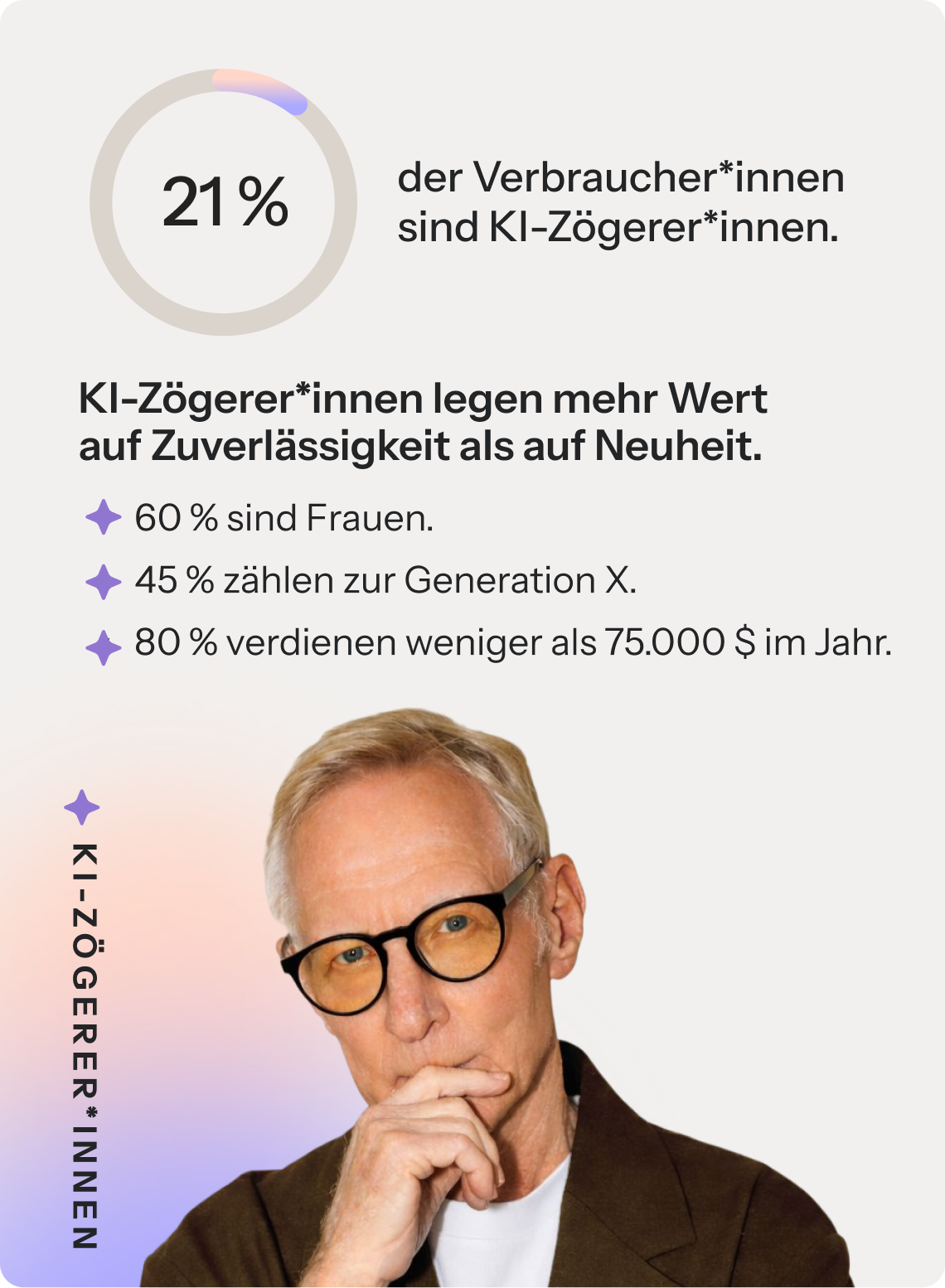
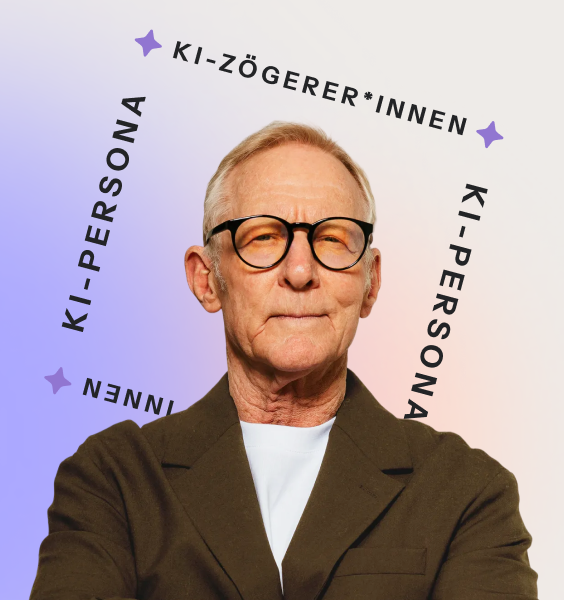
„KI ist zwar nützlich, aber für mich nur ein erster Ansatzpunkt. In der Regel überprüfe ich die Ergebnisse noch einmal.“
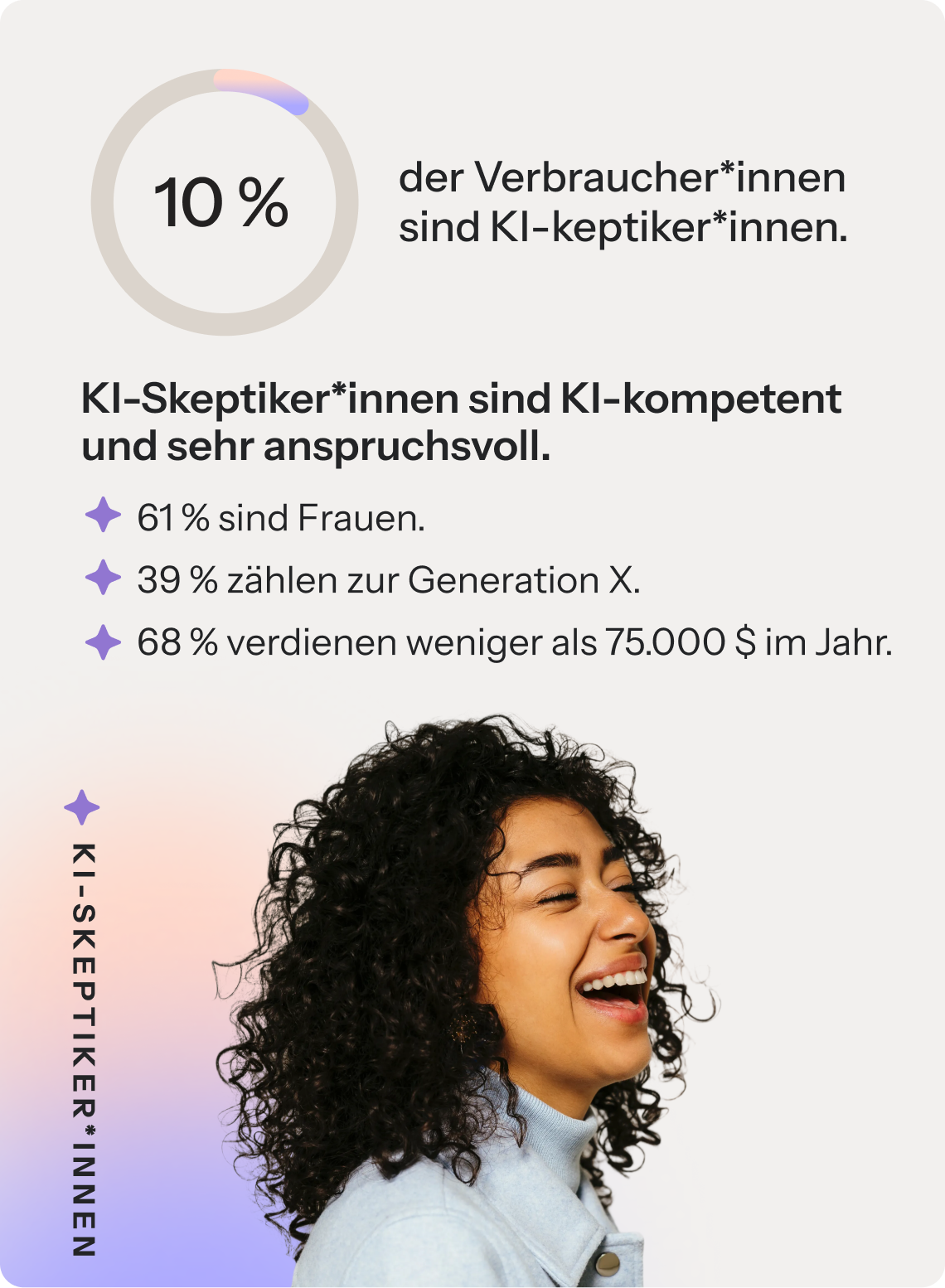
„Ich vertraue KI nicht. Sie ist überbewertet und ich nutze sie nicht.“
Hier erfährst du mehr über die Gewohnheiten und Denkweisen moderner Kund*innen.
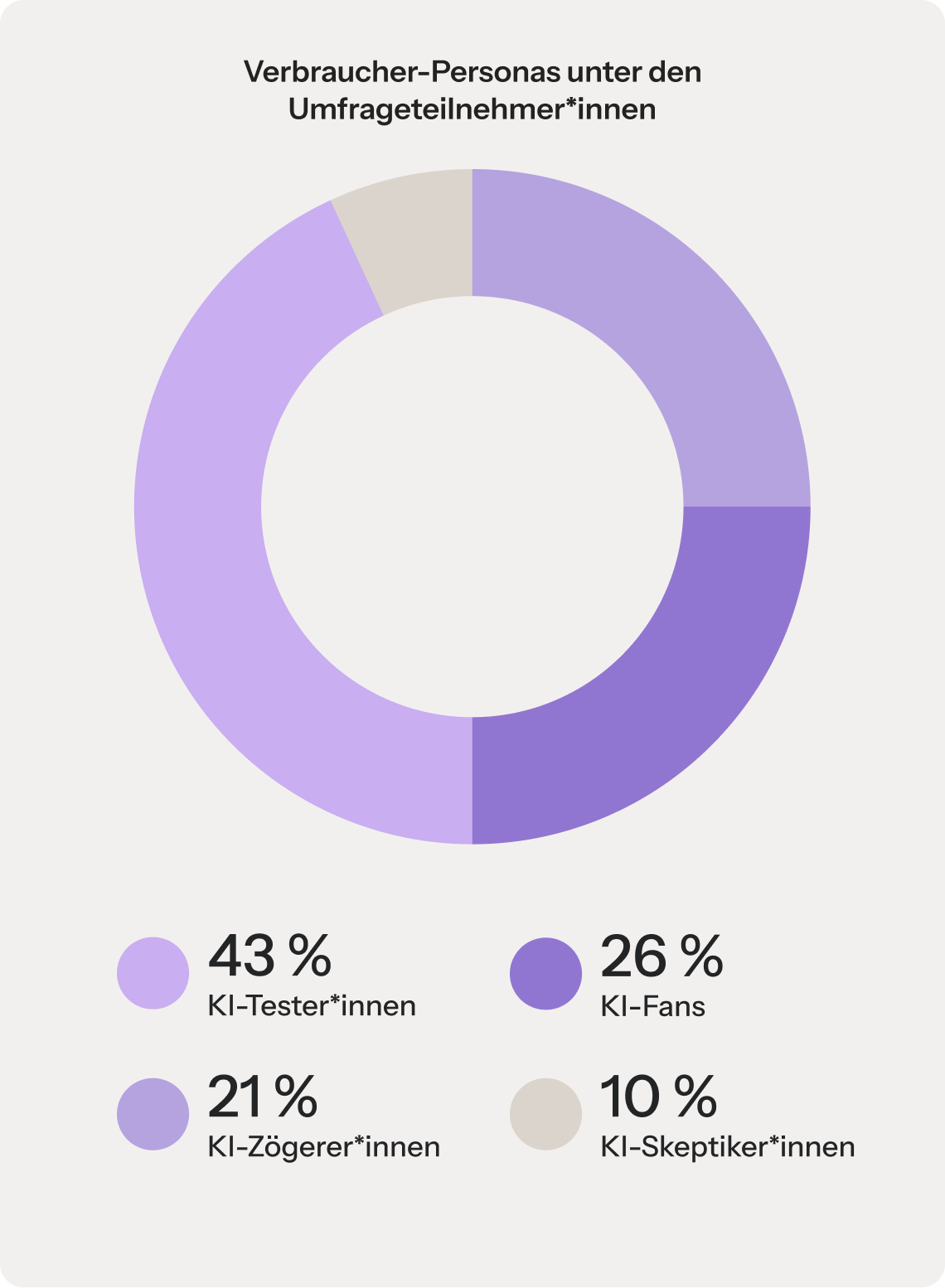
Mehr als die Hälfte der befragten Verbraucher*innen fallen in die Kategorien „KI-Tester*innen“ oder „KI-Fans“. Auch wenn sich das Einkaufsverhalten je nach Zielgruppe unterscheidet, ist eines klar: KI ist mittlerweile im Alltag der Verbraucher*innen angekommen.
When customers aren’t sure about AI, brands must focus on building confidence.
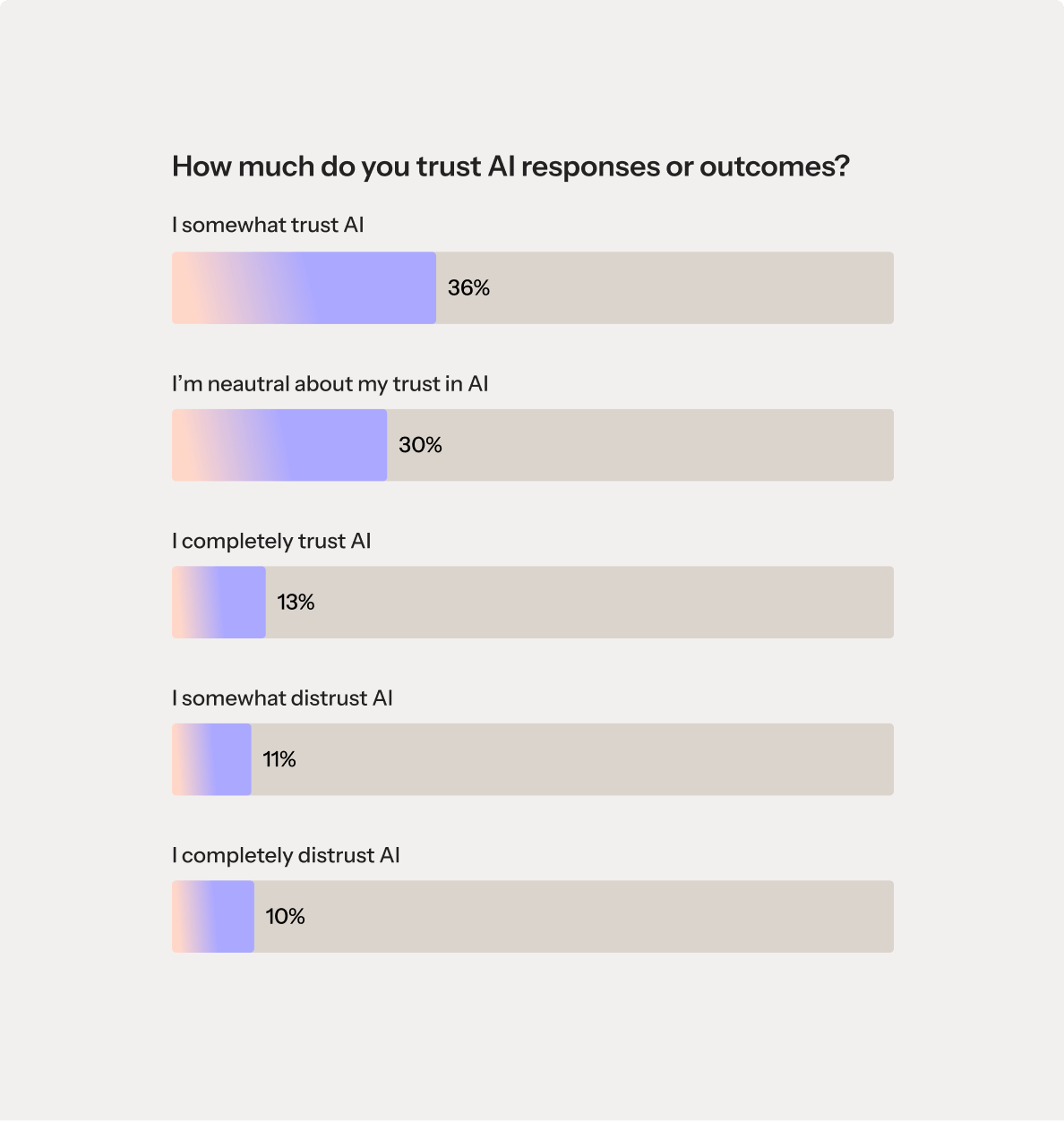
Many shoppers say they’re neutral or only “somewhat trust” AI, meaning that their research still goes beyond AI responses and outcomes. But as consumer relationships rely more heavily on AI and autonomous agents, brands must find ways to overcome that uncertainty. Where can your brand build more trust?
Start with what’s working. Some audiences already place more trust in AI. Lean on these early adopters to learn more about what resonates and where you can improve your customer experience.
Remember: accuracy is the antidote to distrust. AI tools that ground responses in precise real-time first-party data can help satisfy more skeptical shoppers, including those who want evidence-backed answers.

Millennial and Gen Z consumers are over 75% more likely than baby boomers to completely trust AI.

Men are 60% more likely than women to “completely trust” AI. And while 63% of AI Enthusiasts are men, 61% of AI Skeptics are women.

European consumers are 33% more likely than US consumers and 3x more likely than Australian consumers to “completely trust” AI.
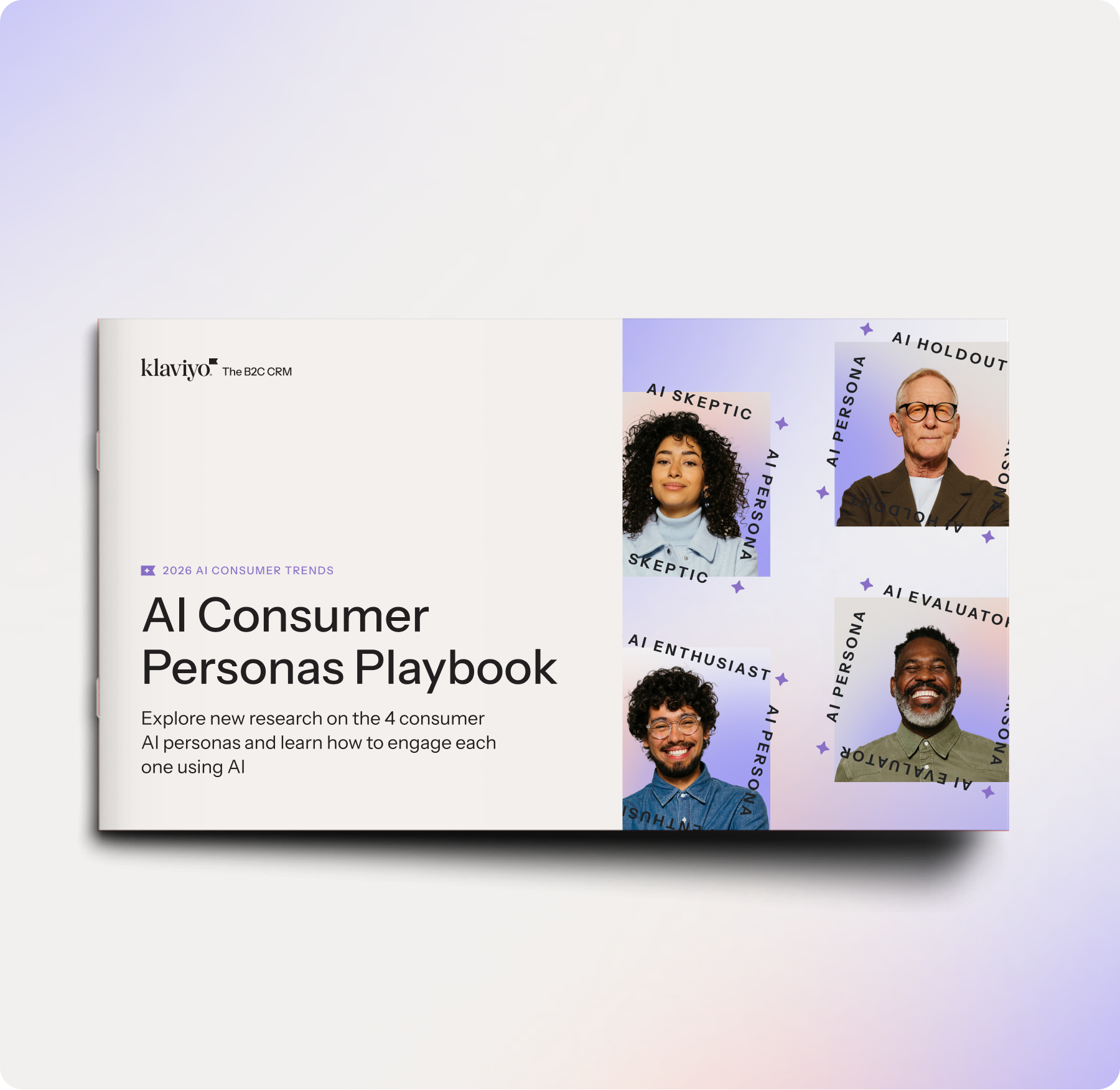
Our AI Consumer Personas Playbook breaks down the moves that resonate with emerging mindsets.
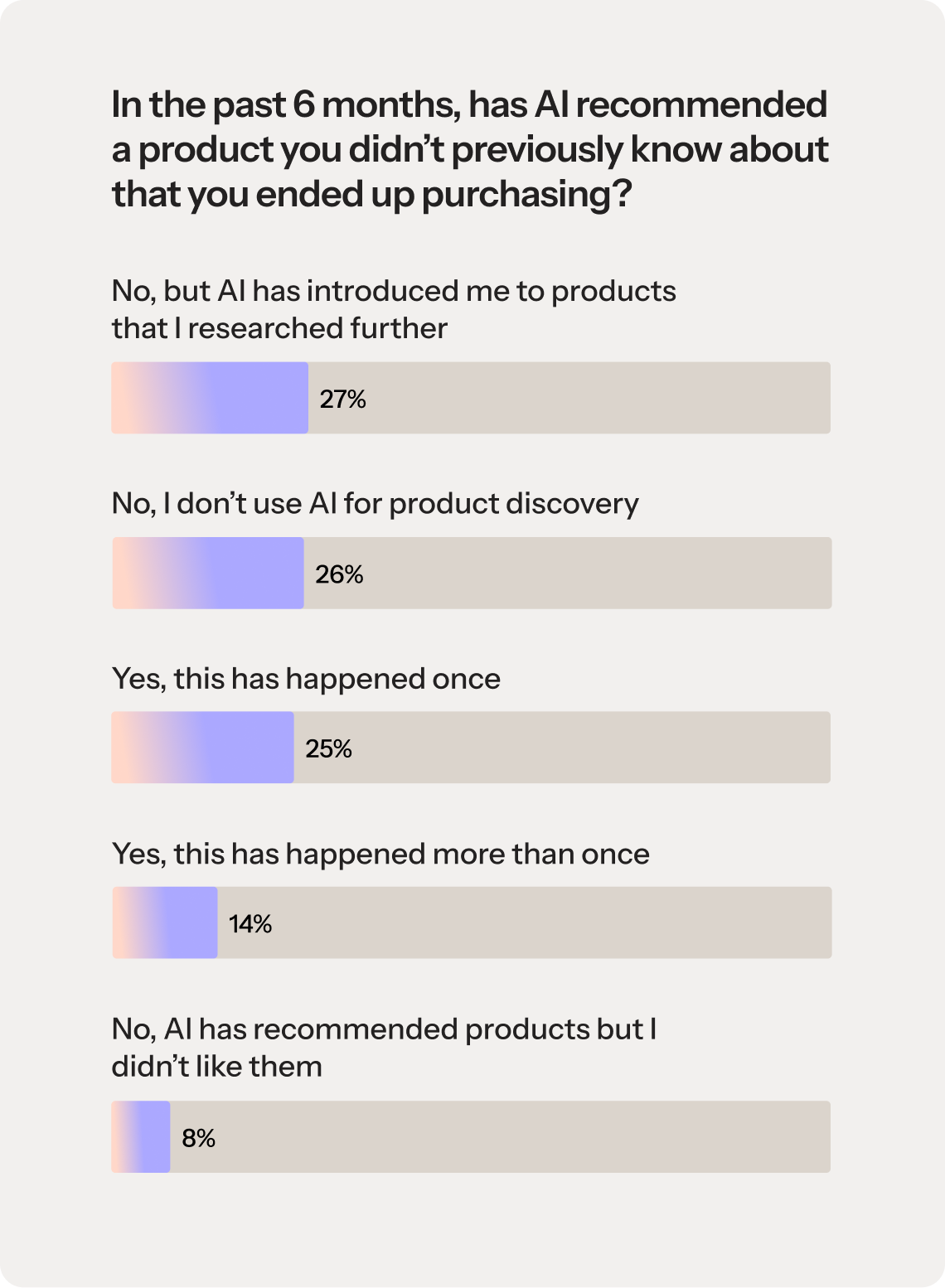
Revenue is on the line. Even if they don’t fully trust it, consumers are asking AI where to shop and what to buy.

The consumers we surveyed told us that AI has been the most helpful for finding information, doing research, and answering questions. But while people want to spend less time searching, they still need to trust that AI is responding with the correct details.
Since many shoppers already use LLMs like ChatGPT and Claude for these tasks, customer service and shopping assistants are a smart way to start introducing consumer-facing AI into your brand experience.
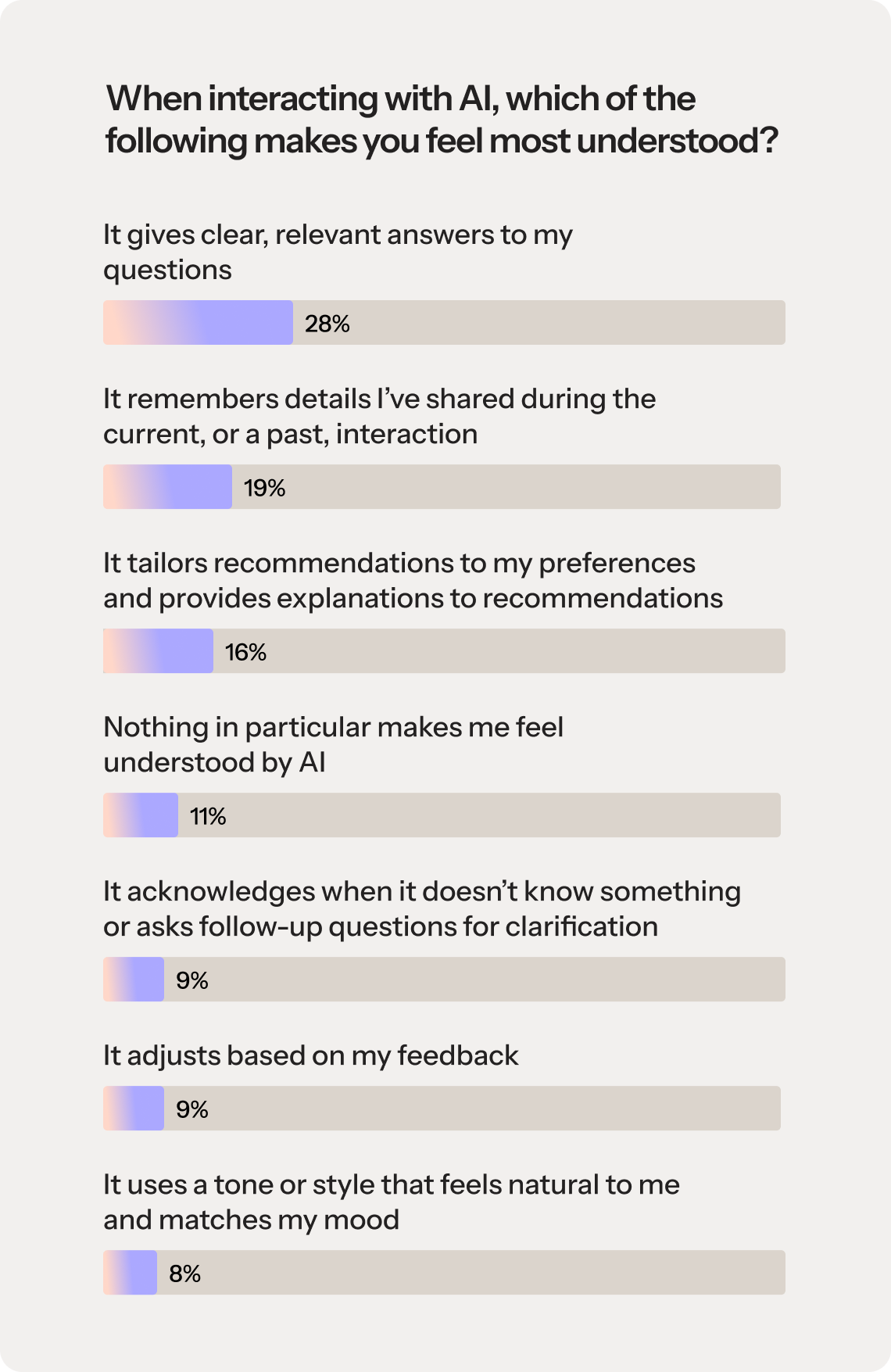
The AI era isn’t about using AI everywhere. It’s about using it in ways consumers actually value. When shoppers feel understood, respected, and in control, AI becomes a better experience, not a bigger risk.
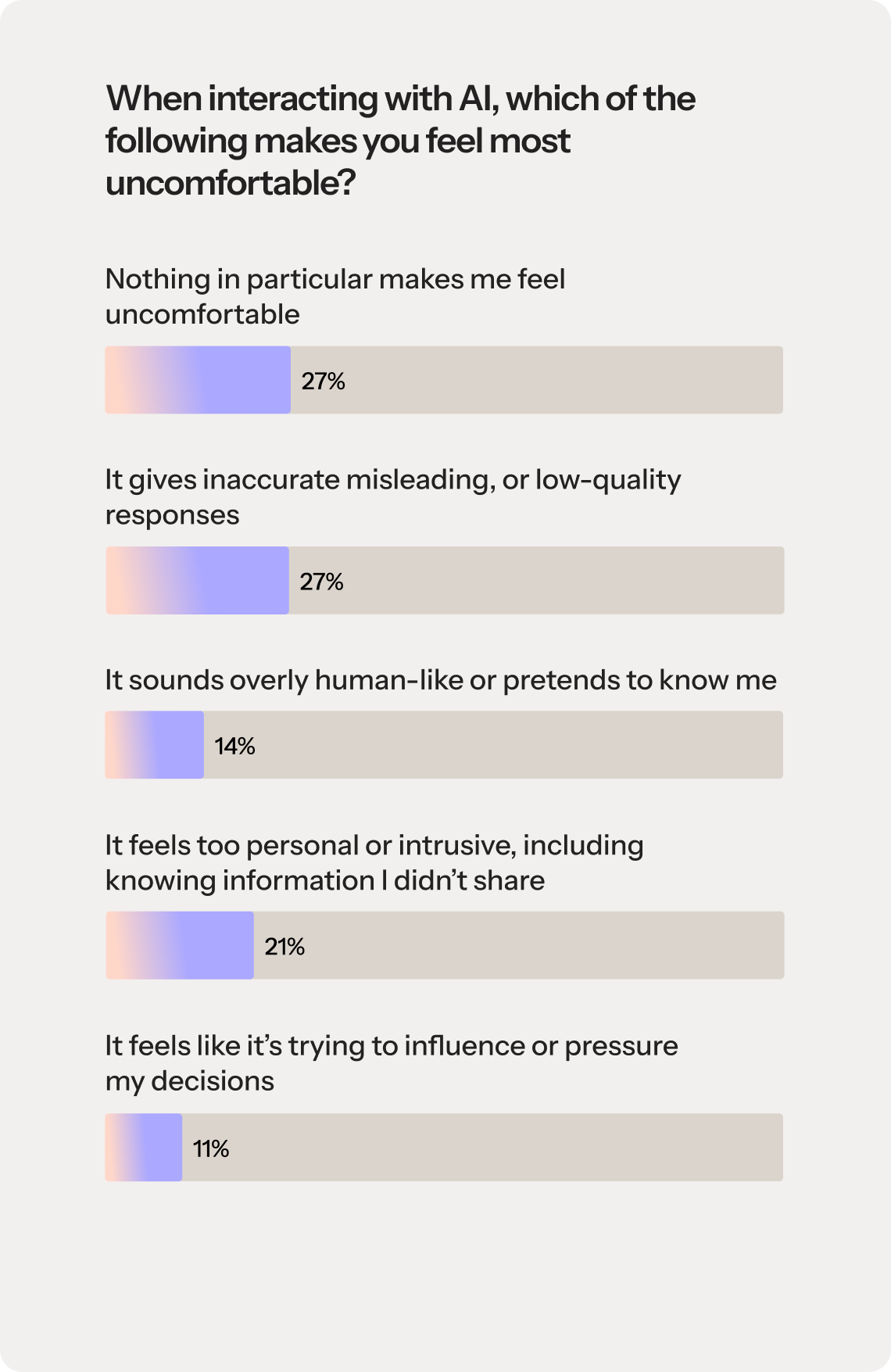
When AI feels too obvious, impersonal, or poorly executed, it erodes trust.
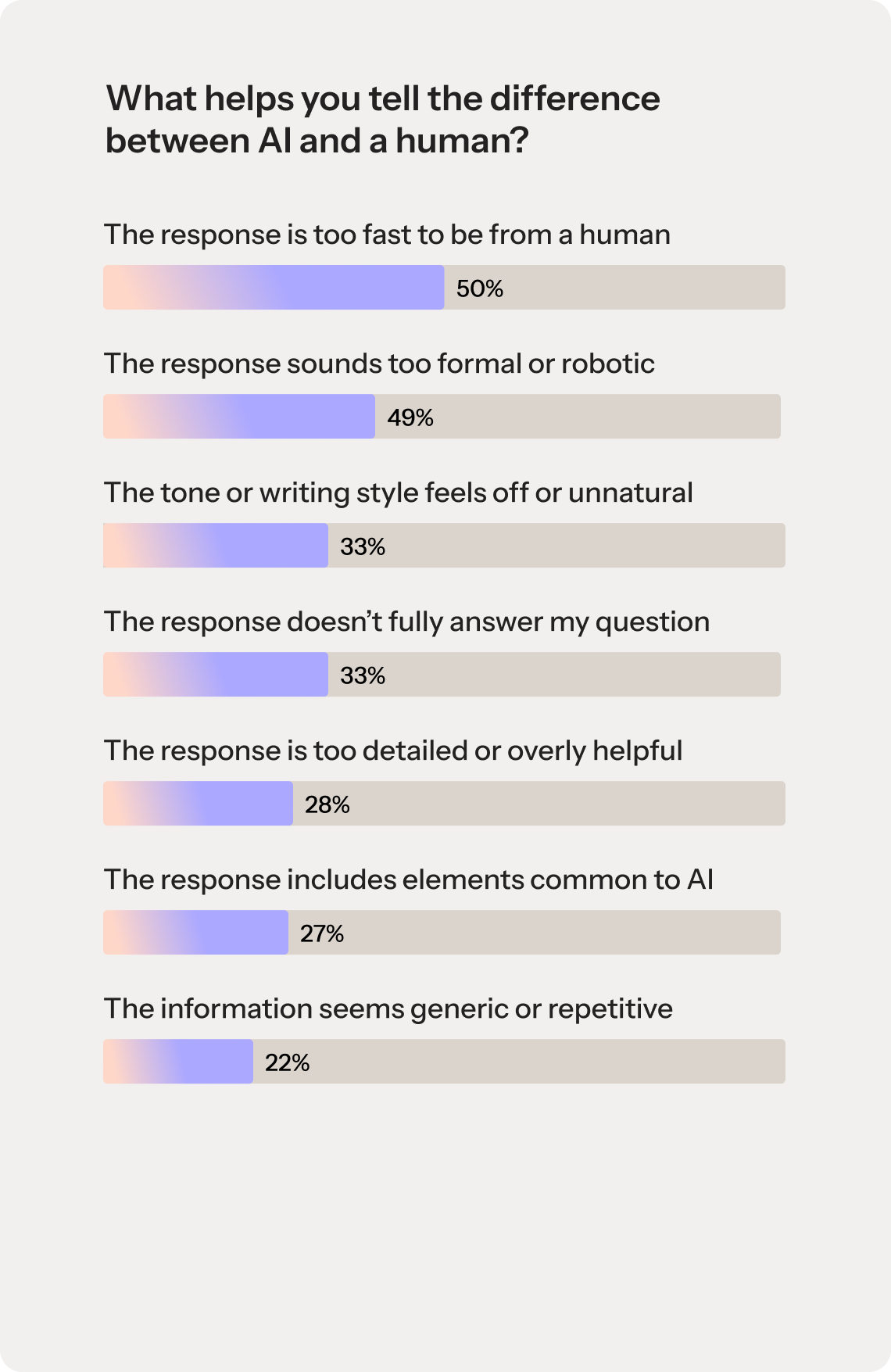
As consumers grow more AI-savvy, they’re becoming more sensitive to low-quality AI content—also known as AI slop. It shows up as poorly generated AI images with errors or elements that aren’t quite right, and written content that’s overly robotic, formal, or generic.
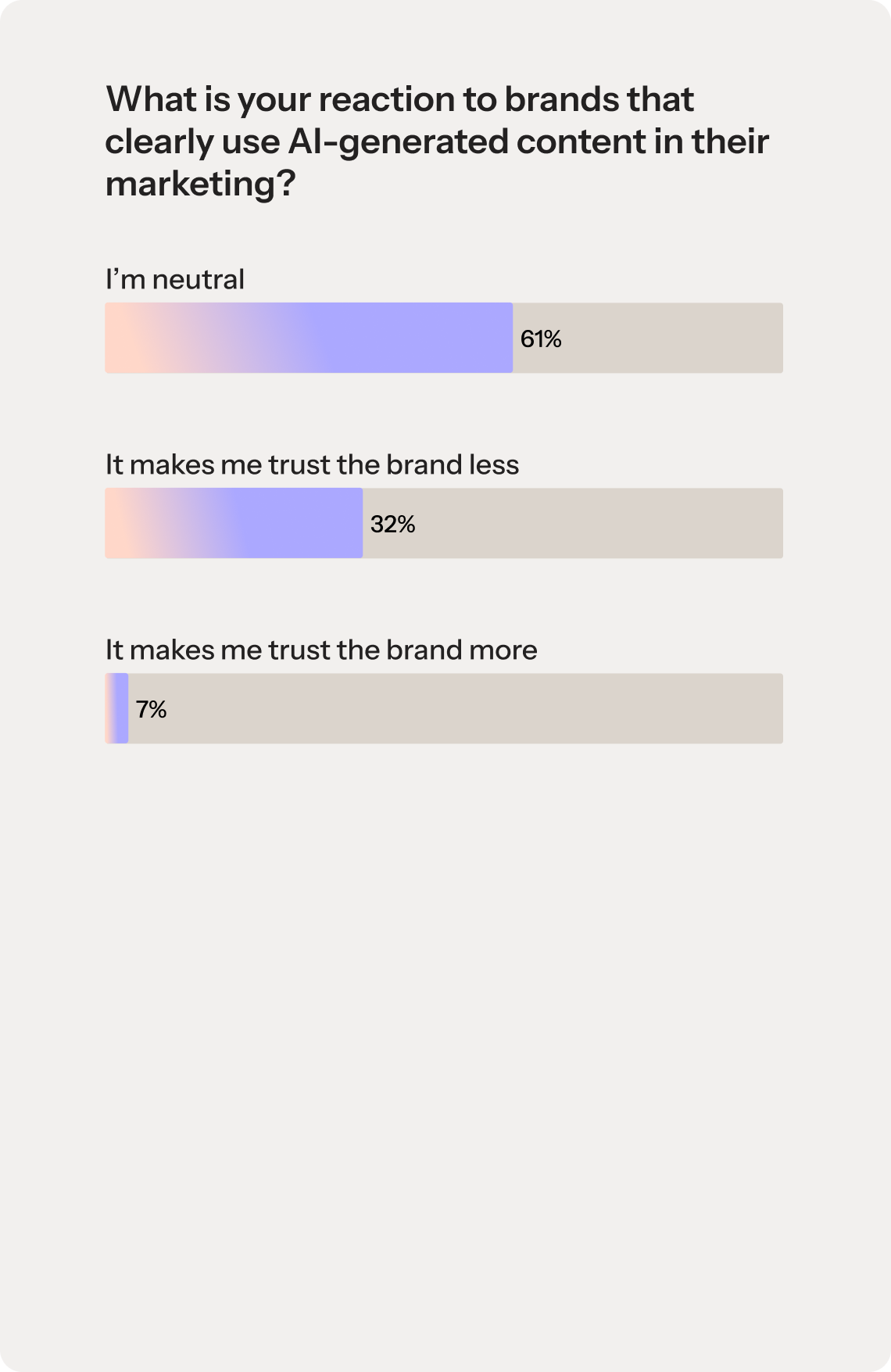
Nearly 1 in 5 consumers told us that they see low-quality or generic AI content from brands weekly. For some, it leaves a meaningful impression: 32% say it makes them trust brands less. Recent backlash to AI ads from McDonald’s and Coca-Cola suggests that some consumers are especially sensitive to certain AI experiences.
Ultimately, some consumers are more open to brands using AI than others, assuming that AI helps improve their experience. But when it’s too obvious or poorly executed, AI can erode trust.

Gen Z is 10% more likely than the general population to say customer service chats feel too automated.

Men are 26% more likely than women to feel that some product recommendations are too generic.

US consumers are 40% more likely than European consumers to say that post-purchase retargeting ads feel too automated.
The right strategy looks different for every brand. It starts by understanding your customer base.
Shopping habits are changing fast. Consumers are already getting personal, and even emotional, with AI search engines. What does the future of marketing and customer service hold? We’re picturing full-blown, ongoing relationships with the AI agents at our favorite brands—and that day isn’t far away.
The moves you make now will determine how your business fares in this new era. More than 1 in 5 consumers tell us that they now start with LLMs when they want to make decisions, learn new things, solve problems, plan activities, and more. AI is becoming a go-to source for information that makes life easier—even when making highly personal decisions, like career changes and financial planning.
Ultimately, AI is starting to gain ground over traditional search engines and social media as the go-to place for information. But only when it’s accurate, relevant, and fast.

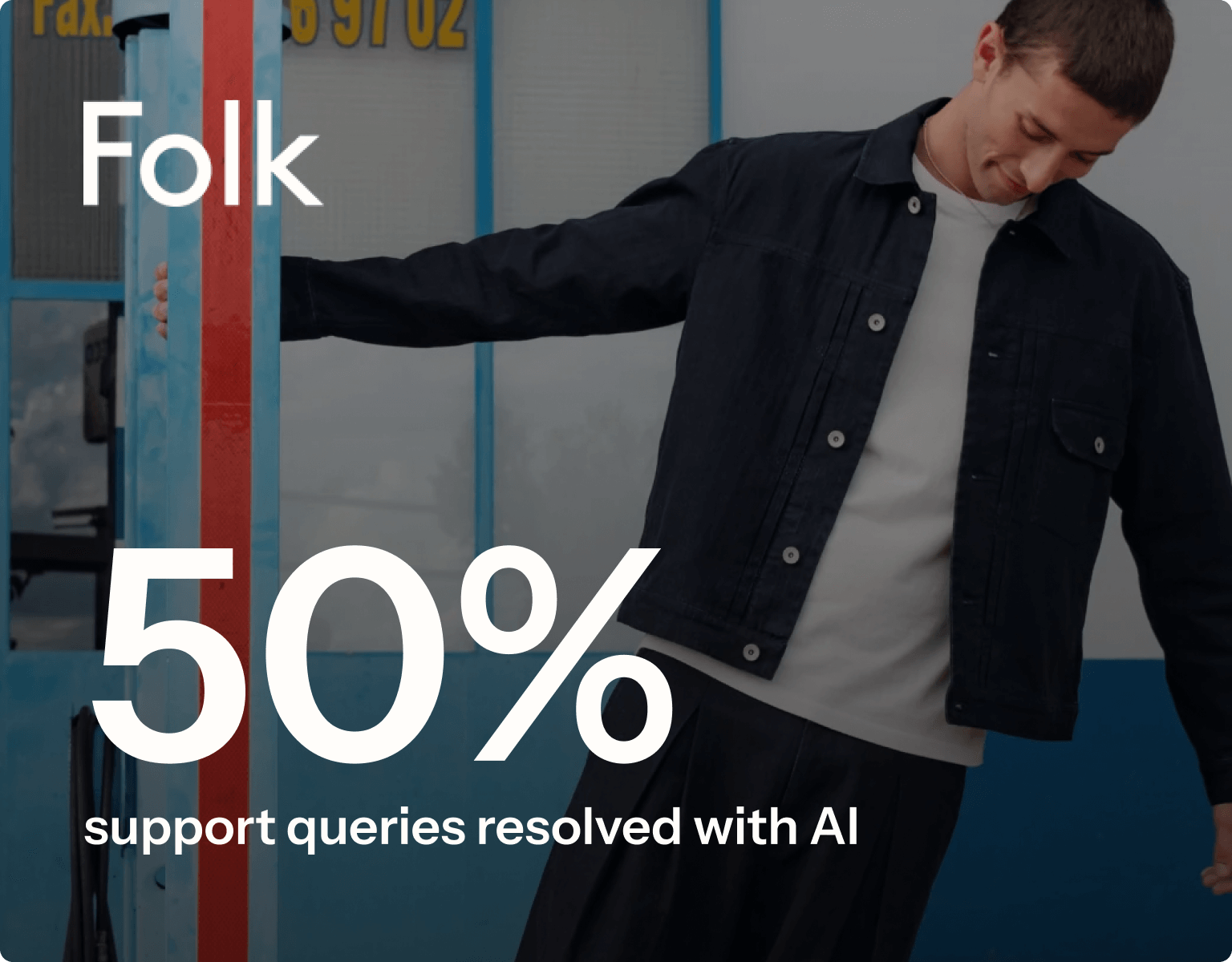
Folk Clothing resolved over 50% of support queries with AI in a 90-day period
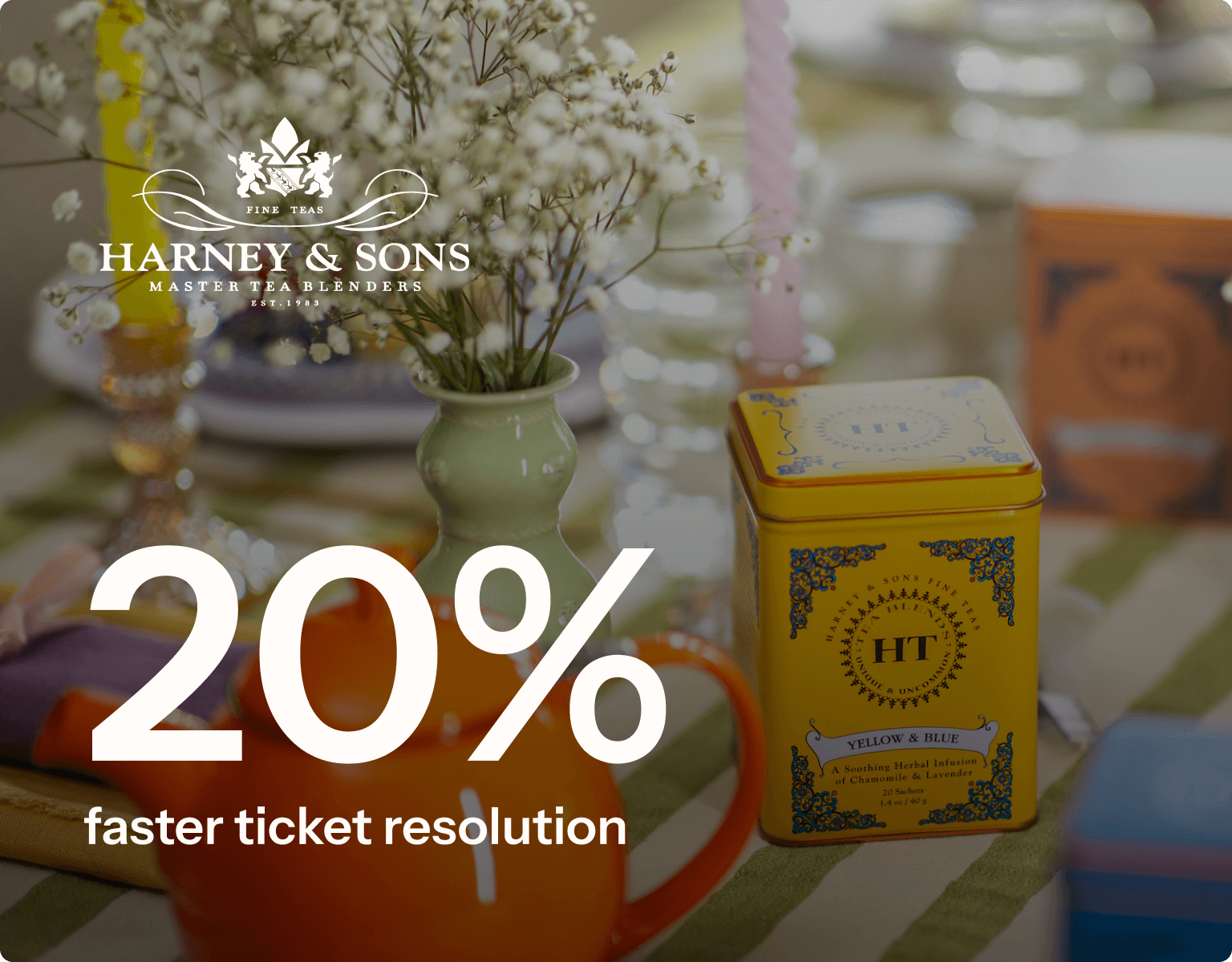
Harney & Sons reduced average ticket resolution time by 20% with AI
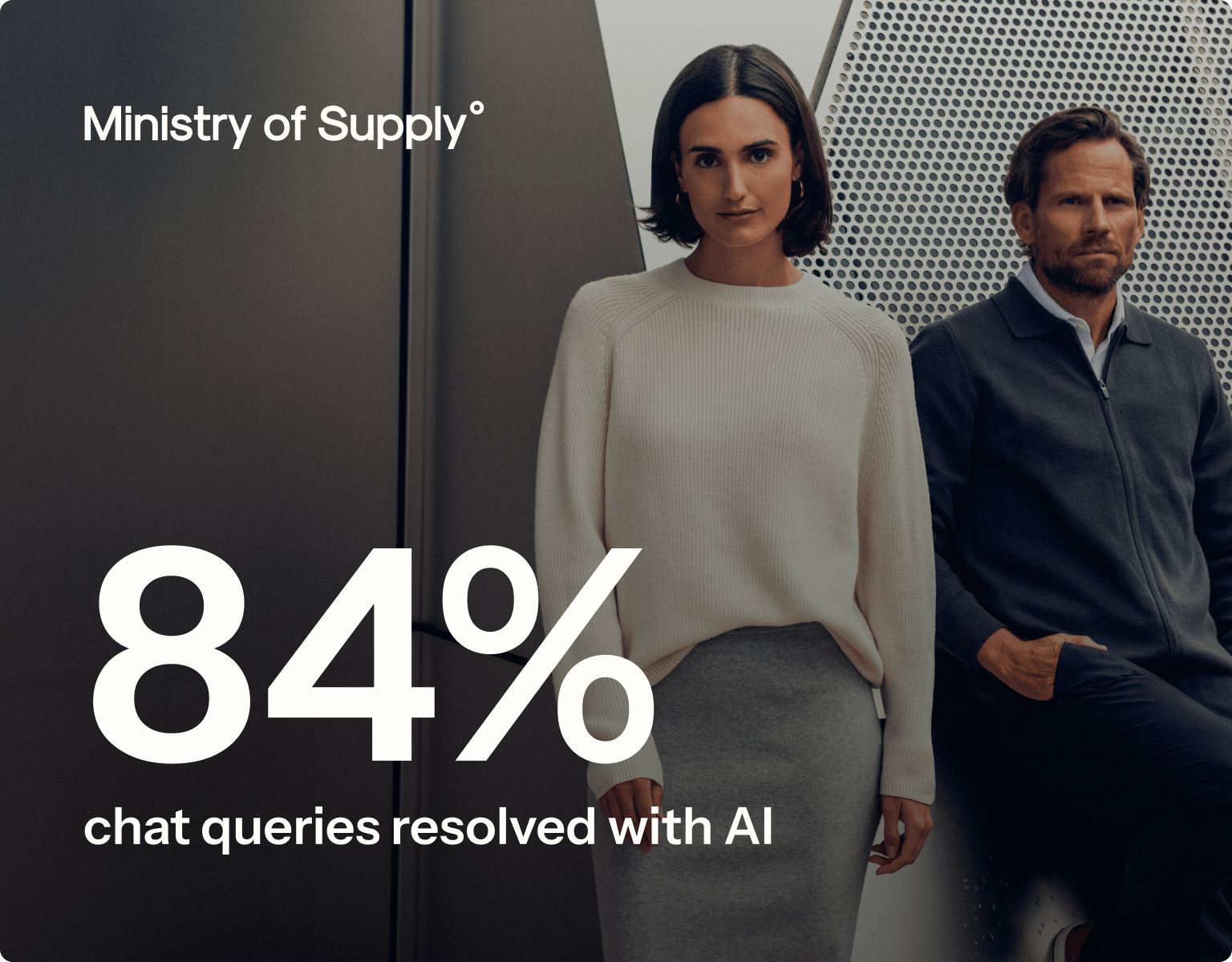
Ministry of Supply resolved 84% of product recommendation chat queries in 90 days
Methodology
In December 2025, Klaviyo surveyed 8,000 global consumers, age 18 and up, from the US, the UK, France, Germany, Spain, Italy, Australia, and Singapore. Insights were compiled in collaboration with Datalily.
Sharpen your AI strategy and identify which personas your business should prioritize with our new AI Consumer Personas Playbook.