Klaviyo research · 2,000 B2C marketers · 8 markets · June 2026
Every brand is playing the Marketing World Cup™. Most of them aren't winning.
We surveyed 2,000 B2C marketers from London to Singapore. The brands that won cultural moments last year weren't smarter or better resourced. They were match-fit, built for both the planned games and the surprise moments between them. Here's what separates them, and what it's costing the rest.
The headline numbers
3 stats that define the gap
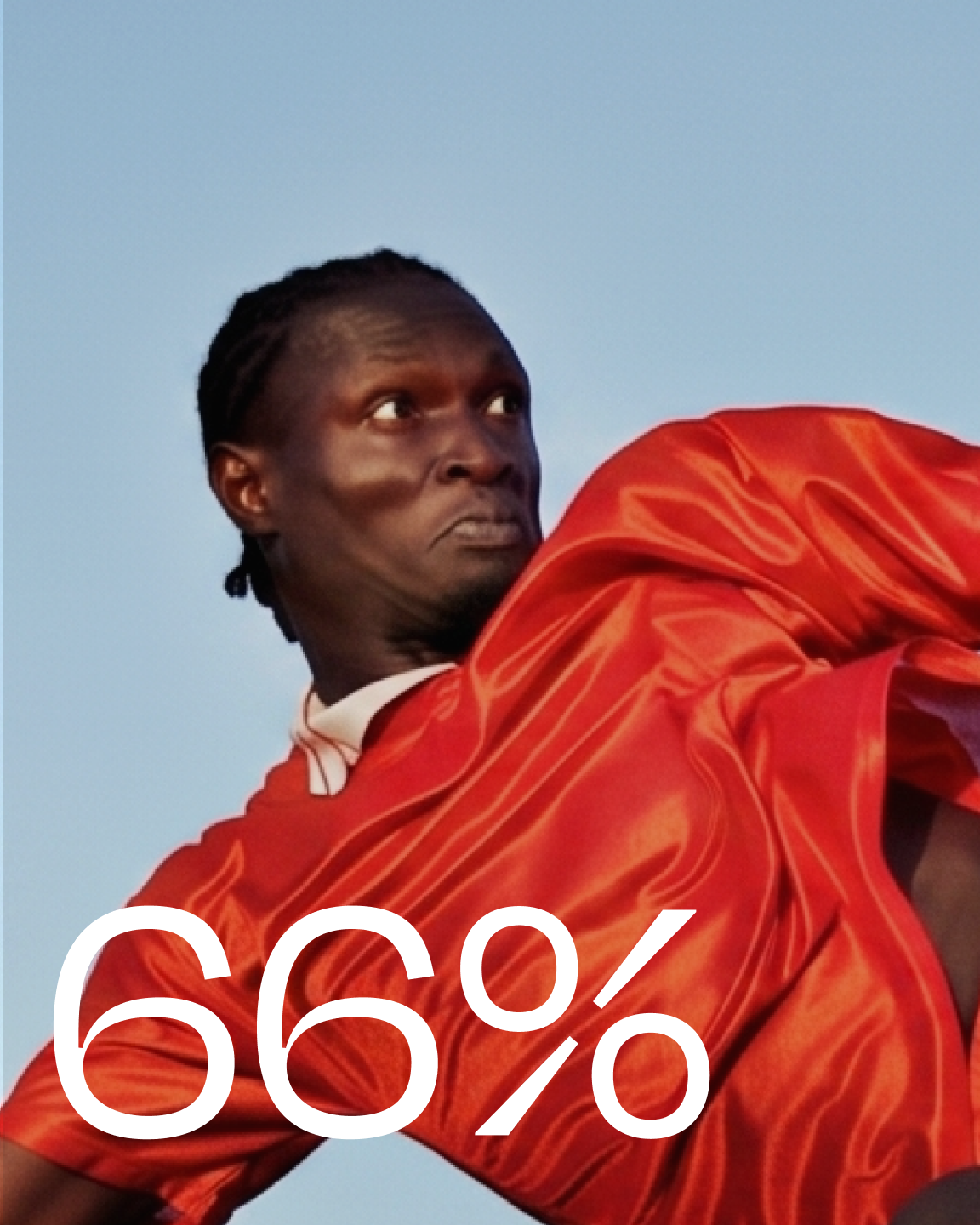
66% missed cultural moments
Two-thirds of brands said they watched at least one cultural moment go by in the past year because they couldn't move fast enough. The cost of sitting on the bench is real, and a majority of brands are paying it.
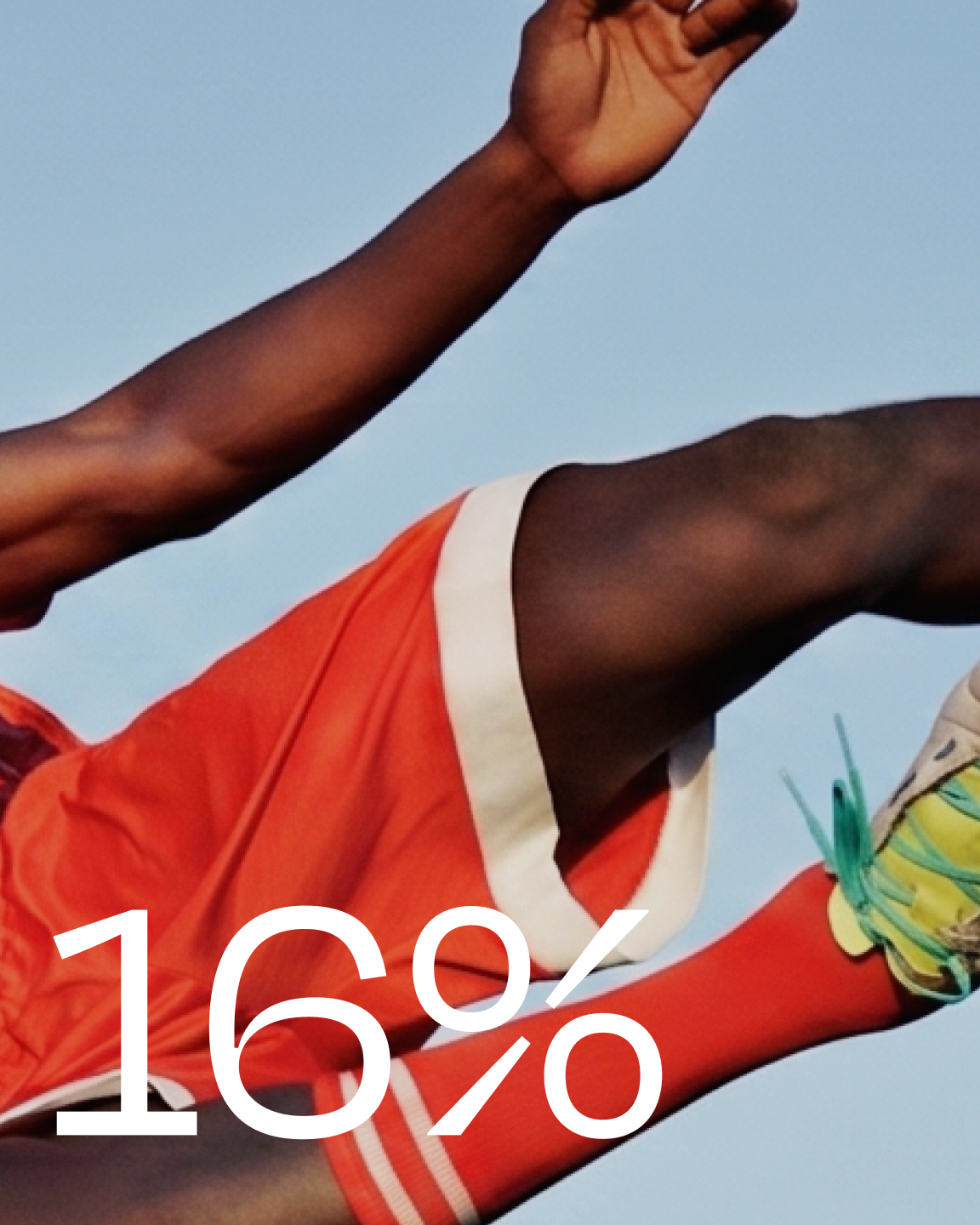
16% react in under 2 hours
Only 1 in 6 brands can launch a reactive campaign within 2 hours when a moment hits. Speed is the threshold for whether you're in the game.
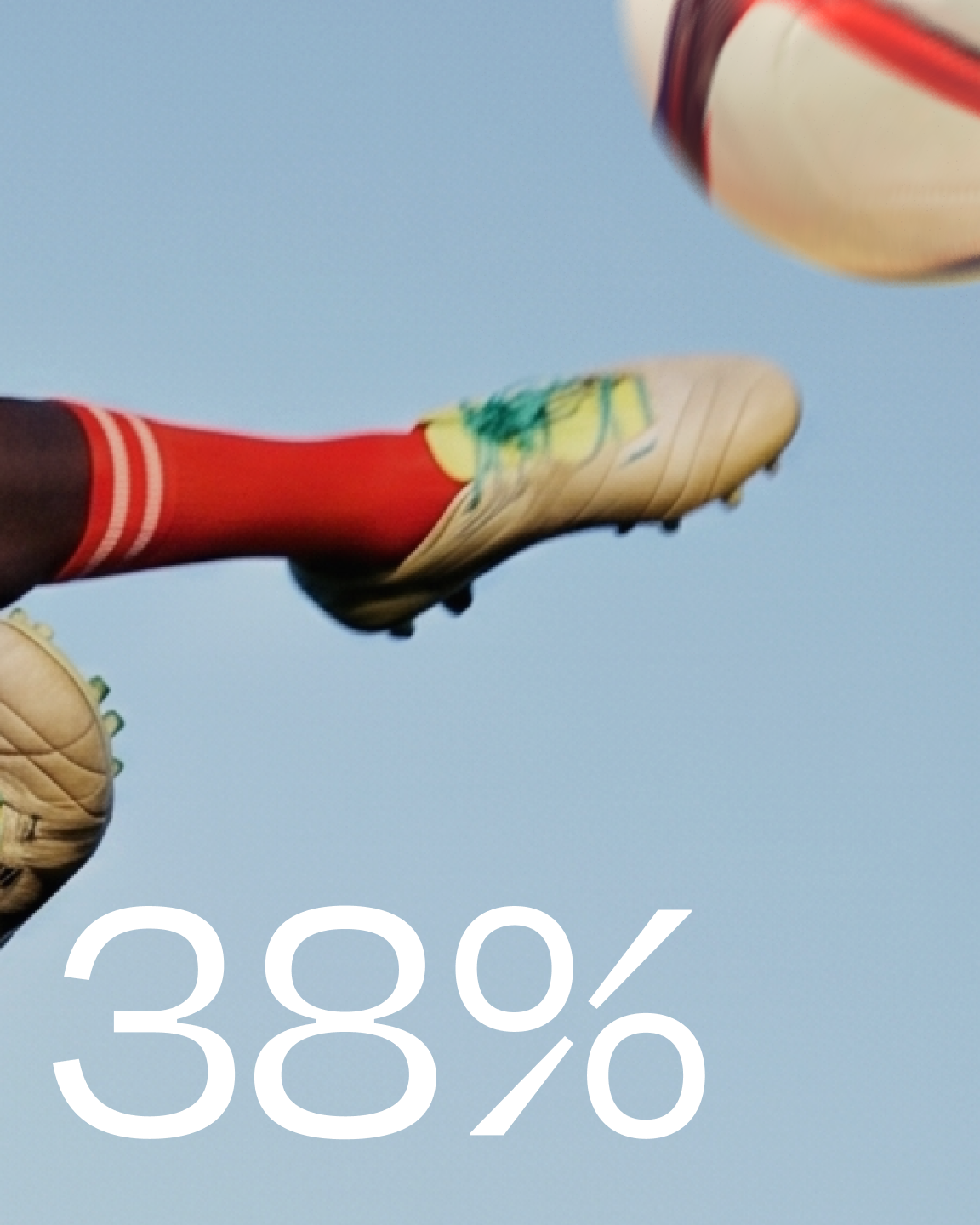
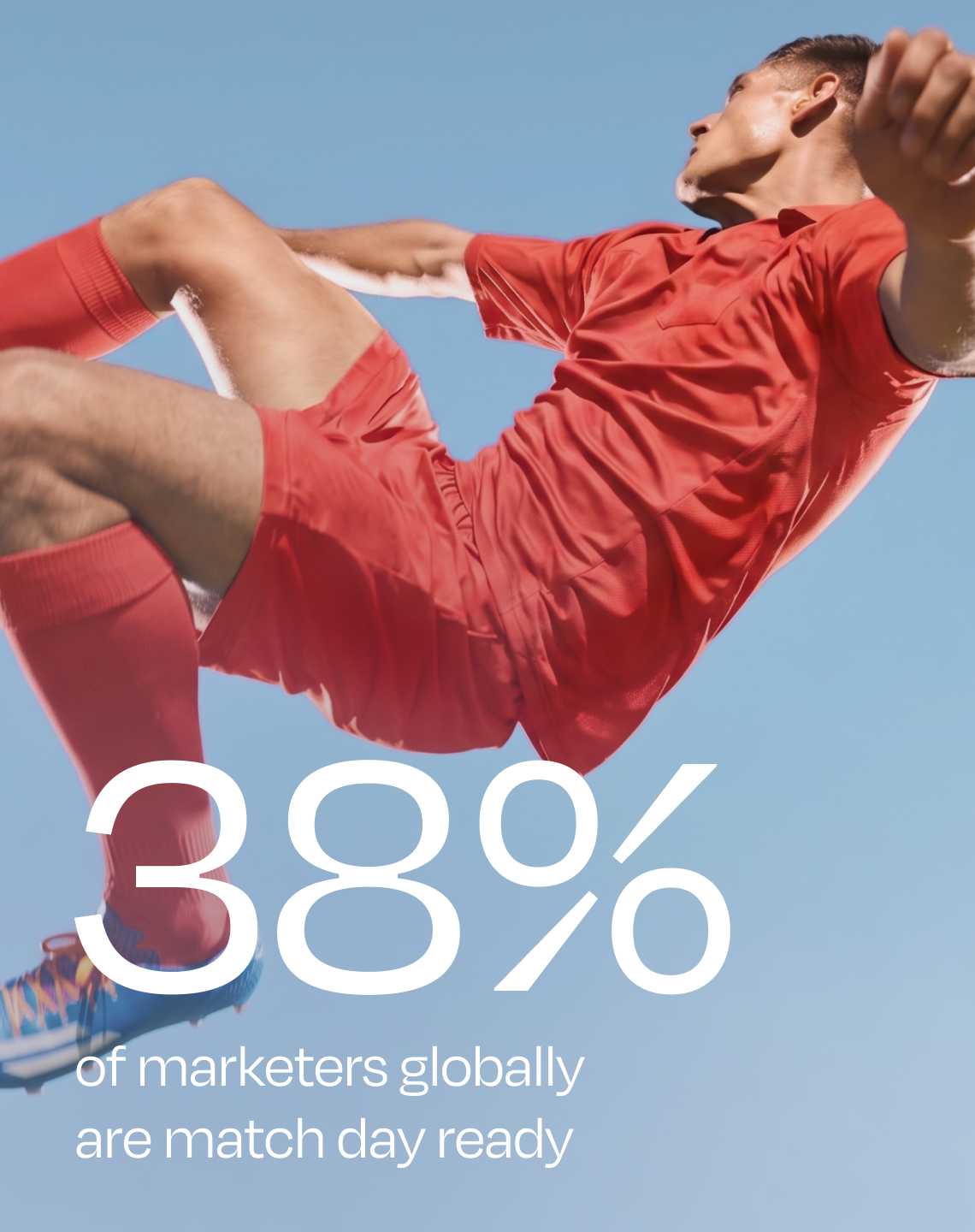
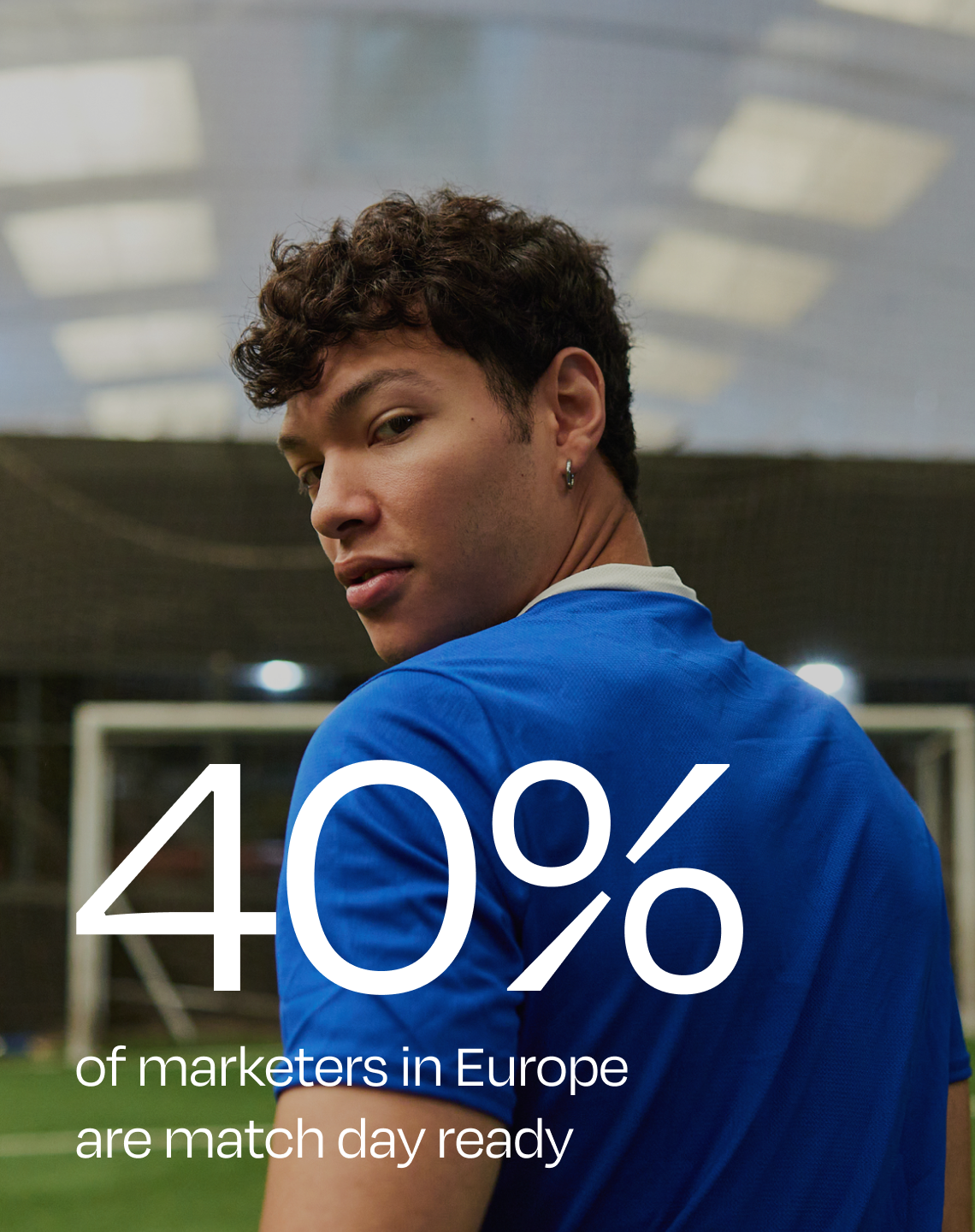
38% are match day ready
Just over a third of brands have plans, assets, and triggers in place for the 2026 World Cup™. 45% are still building as of writing (May 20, 2026).
01 / The match-fit gap
Slow brands have a data problem
Cultural moments now drive 10–20% of total marketing revenue for the majority of brands. Yet two-thirds of marketers said they watched at least one moment go by, likely because their setup wasn’t built for it.
What the data shows
3 structural problems behind the speed gap
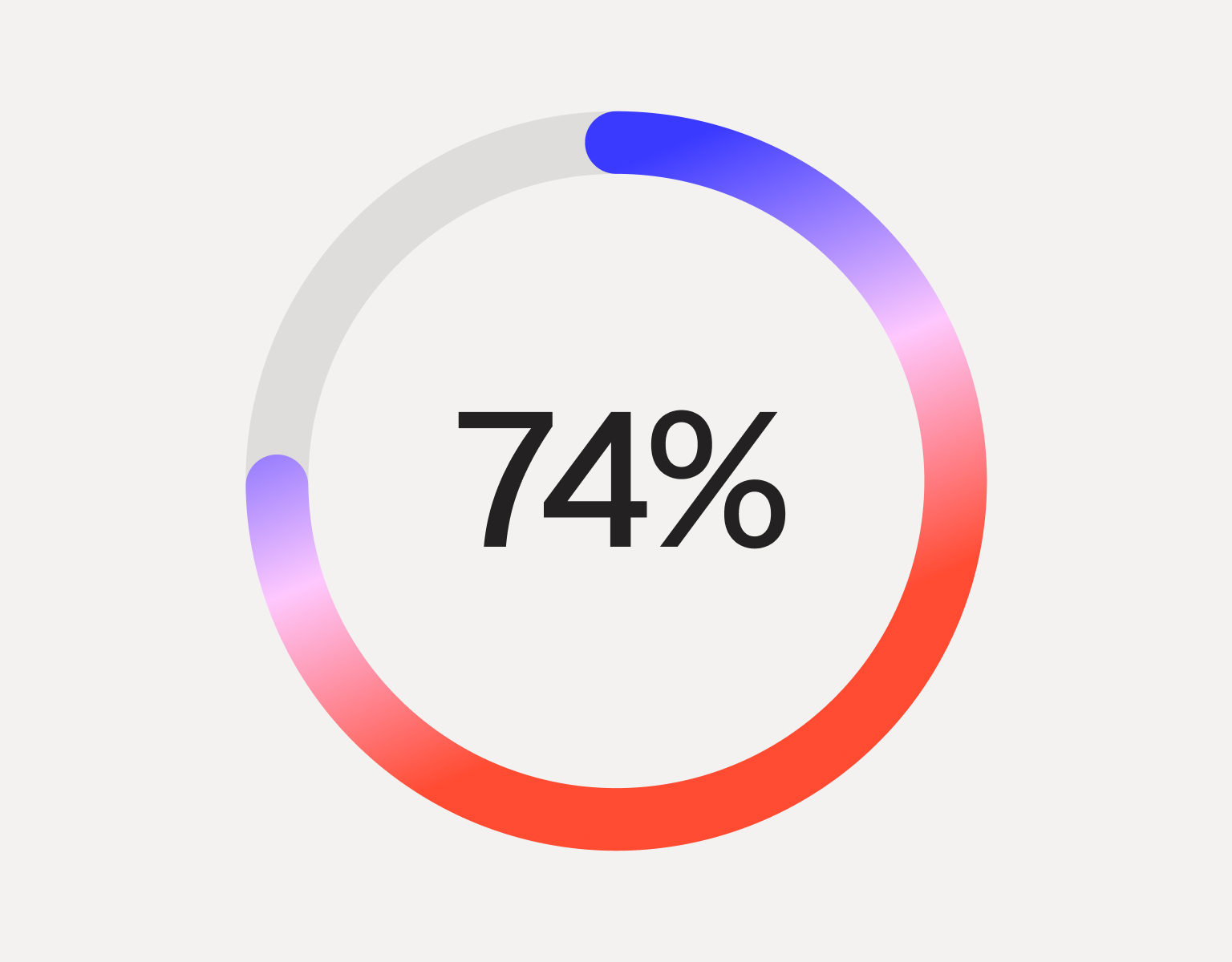
74% — Cultural moments are revenue, not vibes
74% of brands attribute more than a tenth of total marketing revenue to cultural moment activations. 21% attribute more than a fifth. The cost of missing them is now a board-level number.
63% — Most teams play without a playbook
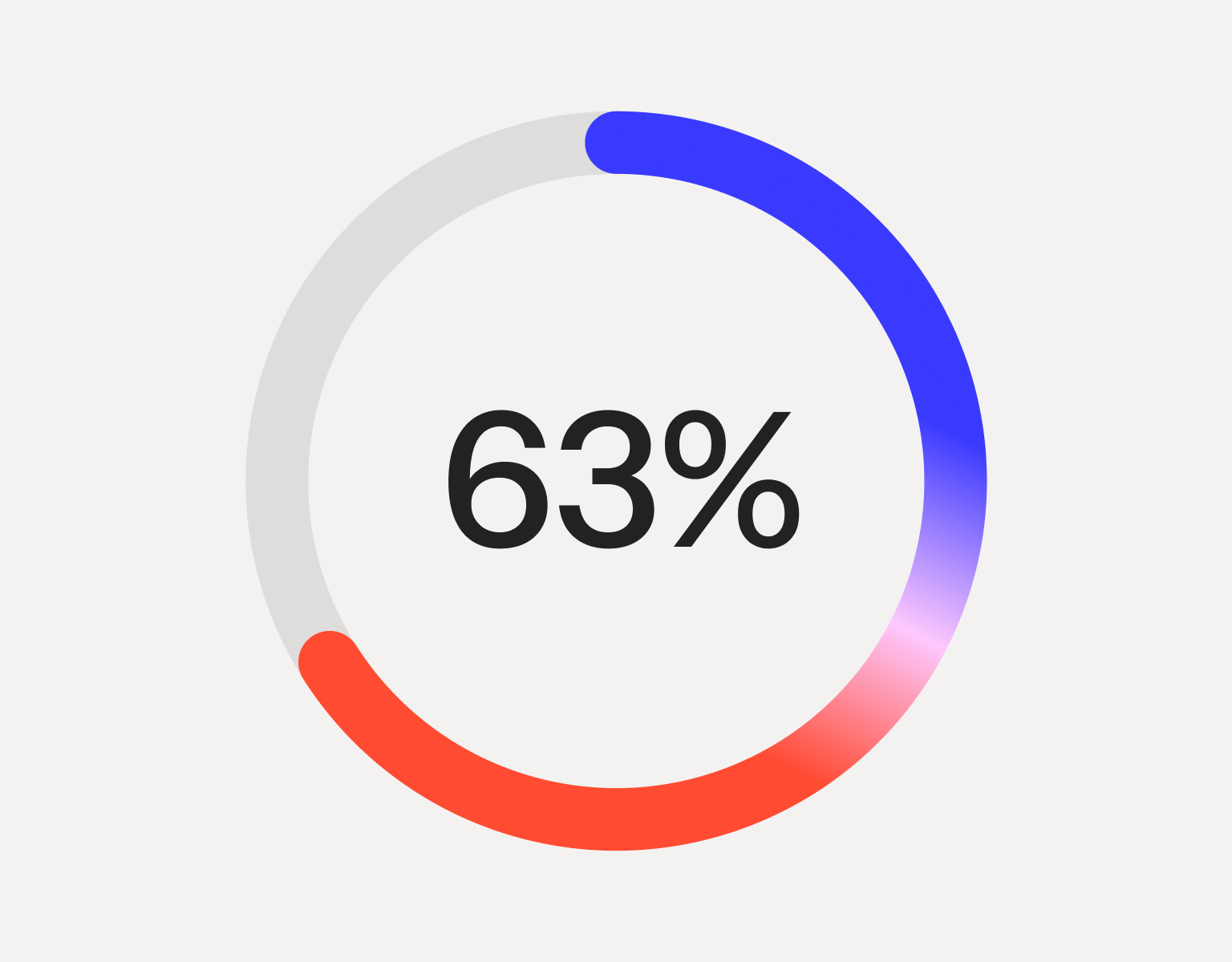
63% of brands decide cultural moment participation case by case. Only 28% have clear brand guidelines for which moments are on-brand. Most teams call each shot in the moment instead of running a play.
55%: Real-time data is the missing piece
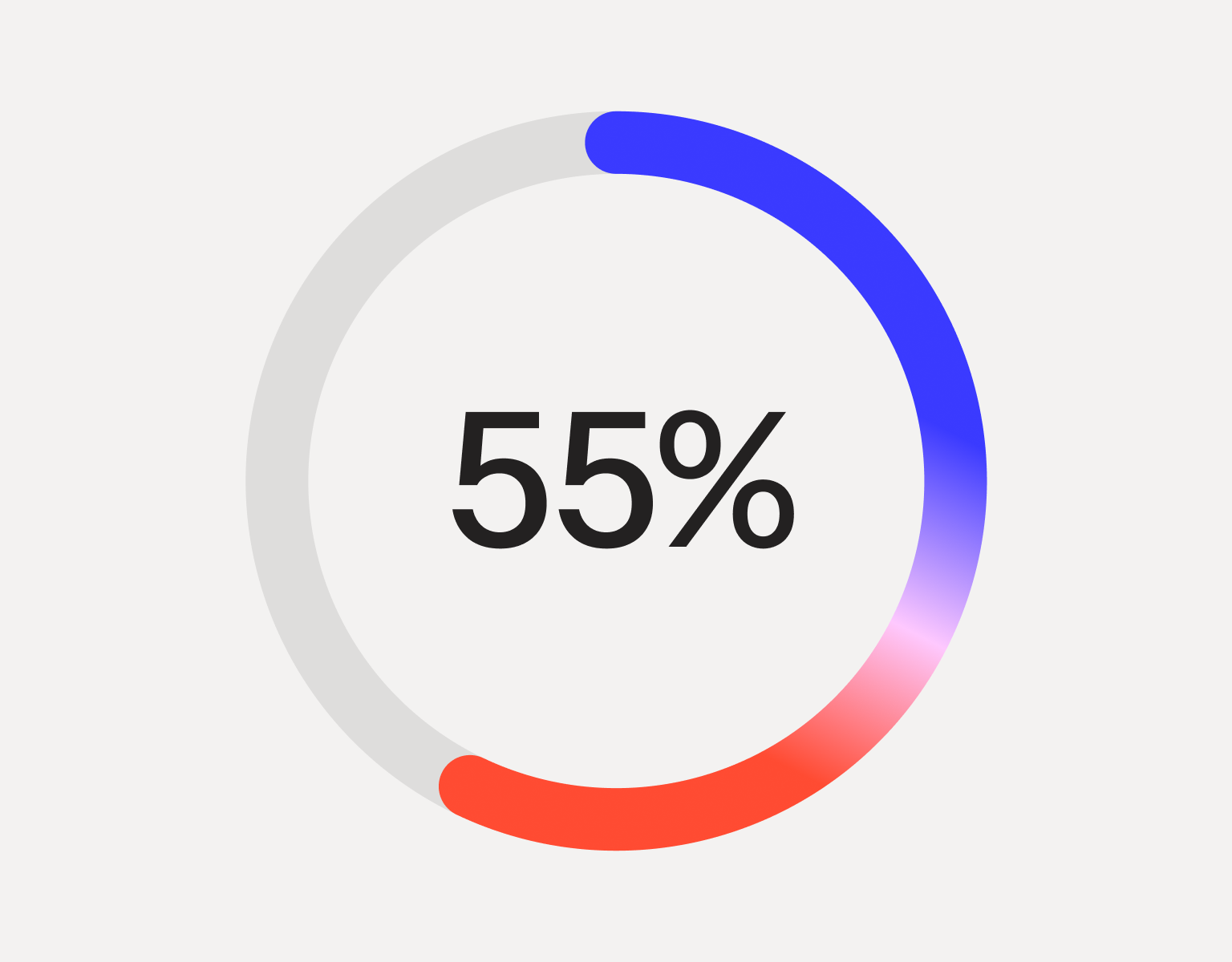
55% of marketers are only "fairly confident" they reach the right customers with the right message. They segment, but without real-time data, they can't personalize when it matters. The 41% who can are running on real-time profiles.
02 / The league table
Pick a market. See where it stands.
Methodology: 2,000 B2C marketers across the US, the UK, France, Germany, Spain, Italy, Australia, and Singapore.
Fieldwork: April 2026
By region
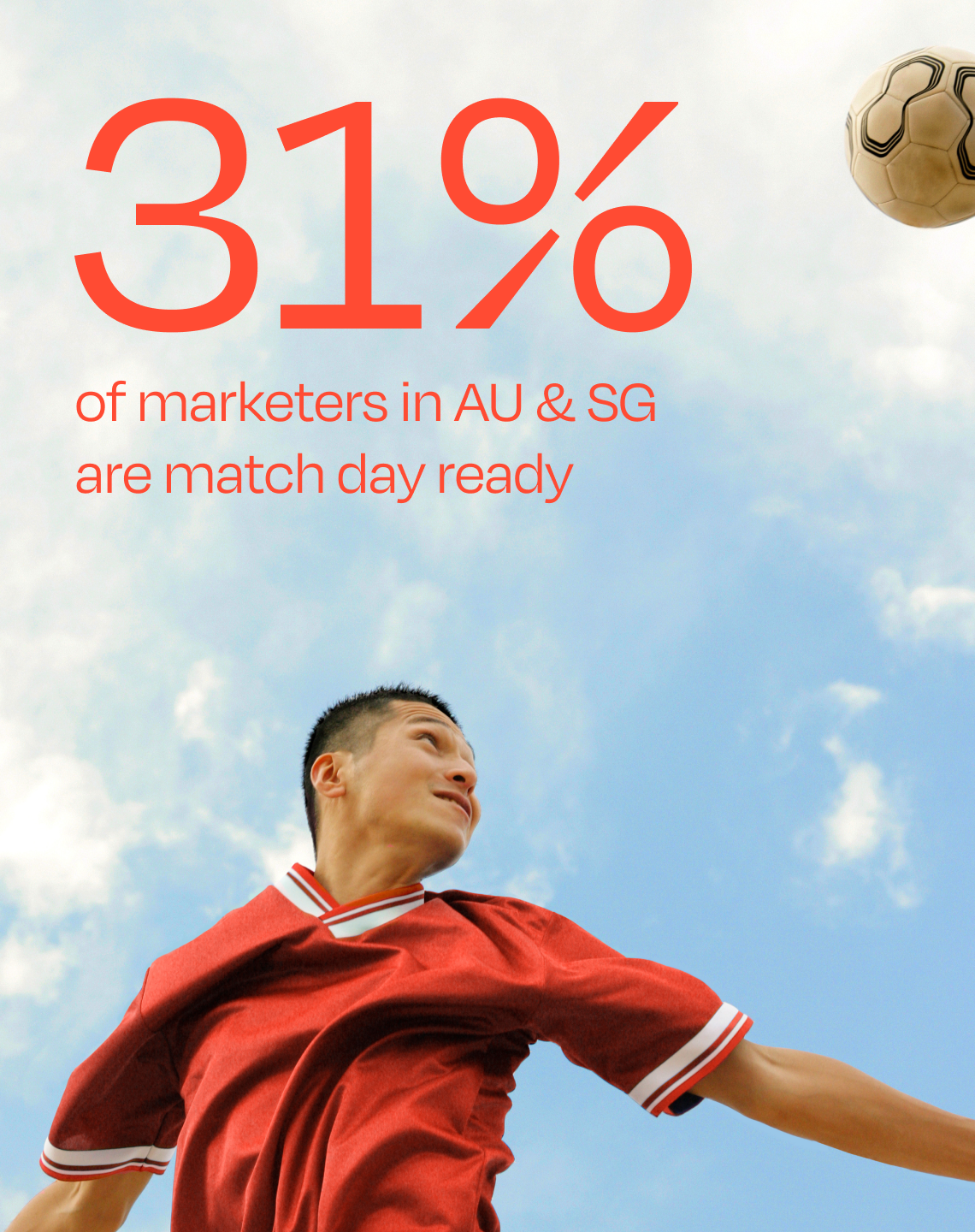
How 4 markets stack up against each other
Most brands know cultural moments matter. Most still aren't built to catch them.
- Match day ready: 38% have plans, assets, and triggers in place
- React in under 2 hours: 16% can launch a reactive campaign in time
- Missed moments last year: 66% missed at least one moment
- Using AI for moments: 92% had at least one AI use case in cultural activations
- Top channel: social media (46%)
- Percent using vibe marketing: 79%
03 / K:AI · Vibe marketing
Vibe marketing isn't on the horizon. It's already here.
Most marketers couldn't have defined "vibe marketing" a year ago. Today, most are already practicing it.
The vibe marketing numbers
What 2,000 marketers actually think about AI right now
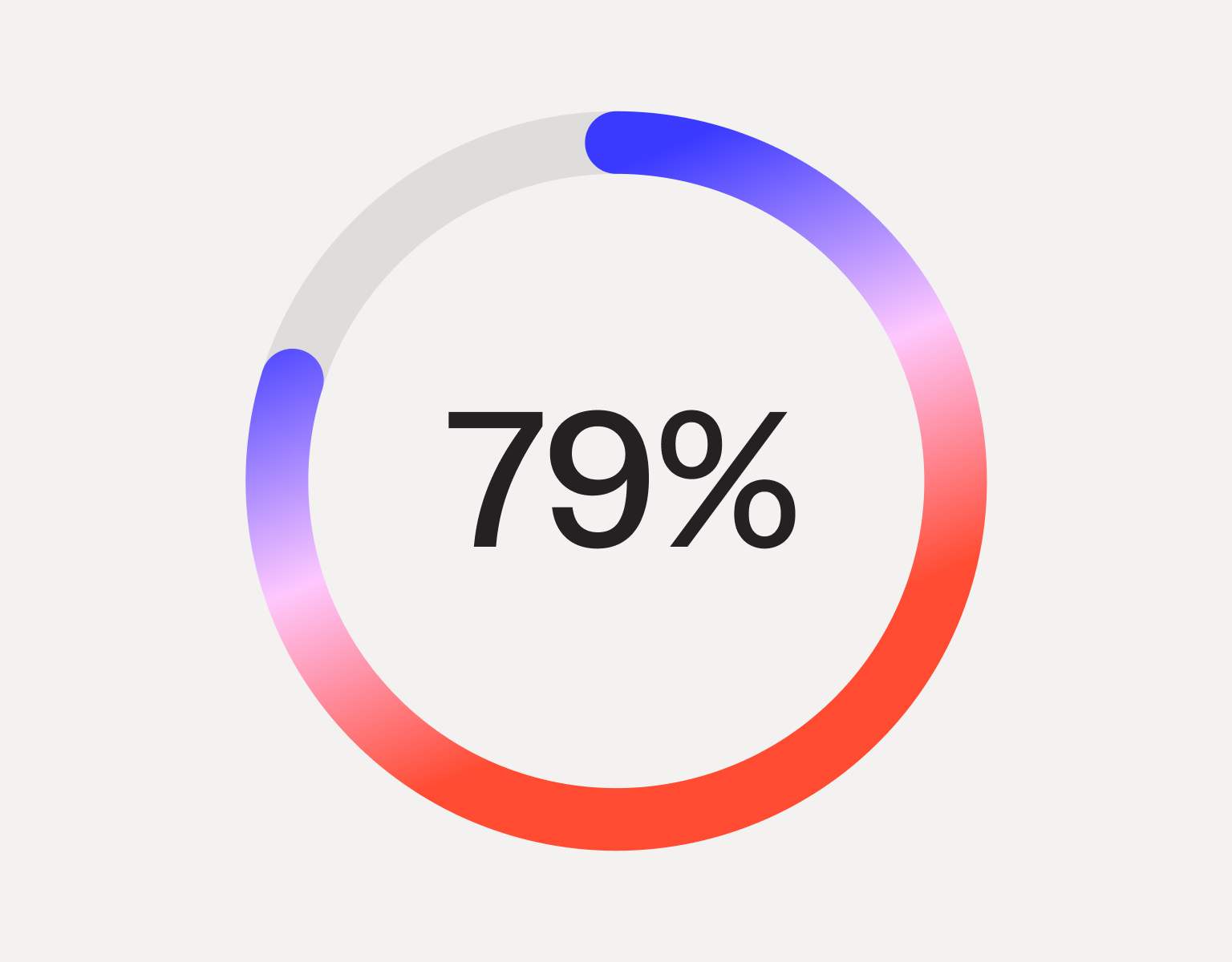
79% are already vibe marketing
Only 8% of marketers say they don't use AI for cultural moments at all. That number is headed to zero, fast.
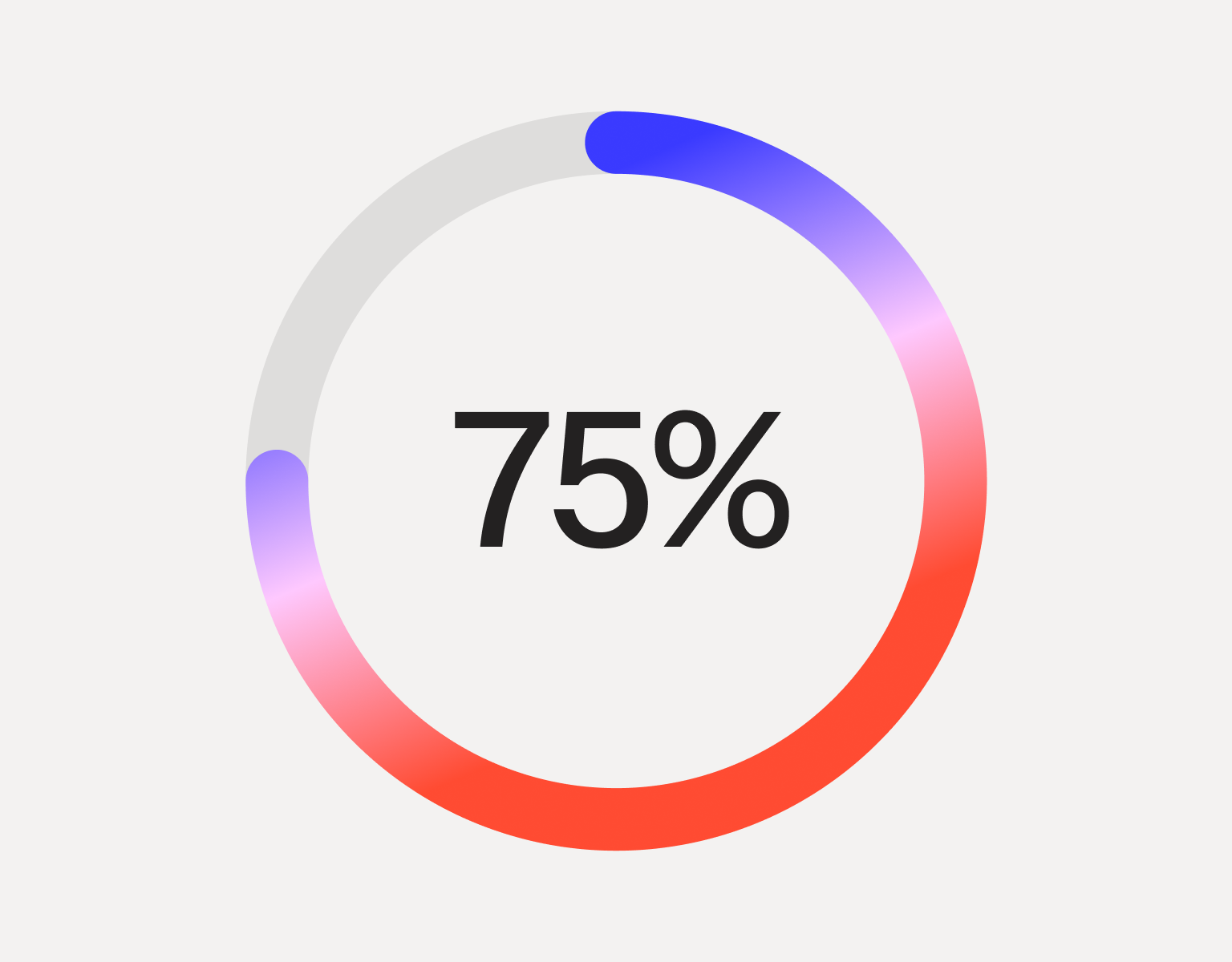
75% more skeptical at the top
Founders and CEOs are 75% more skeptical of vibe marketing than the directors and managers actually running campaigns. The conversation about AI is happening in two different rooms.
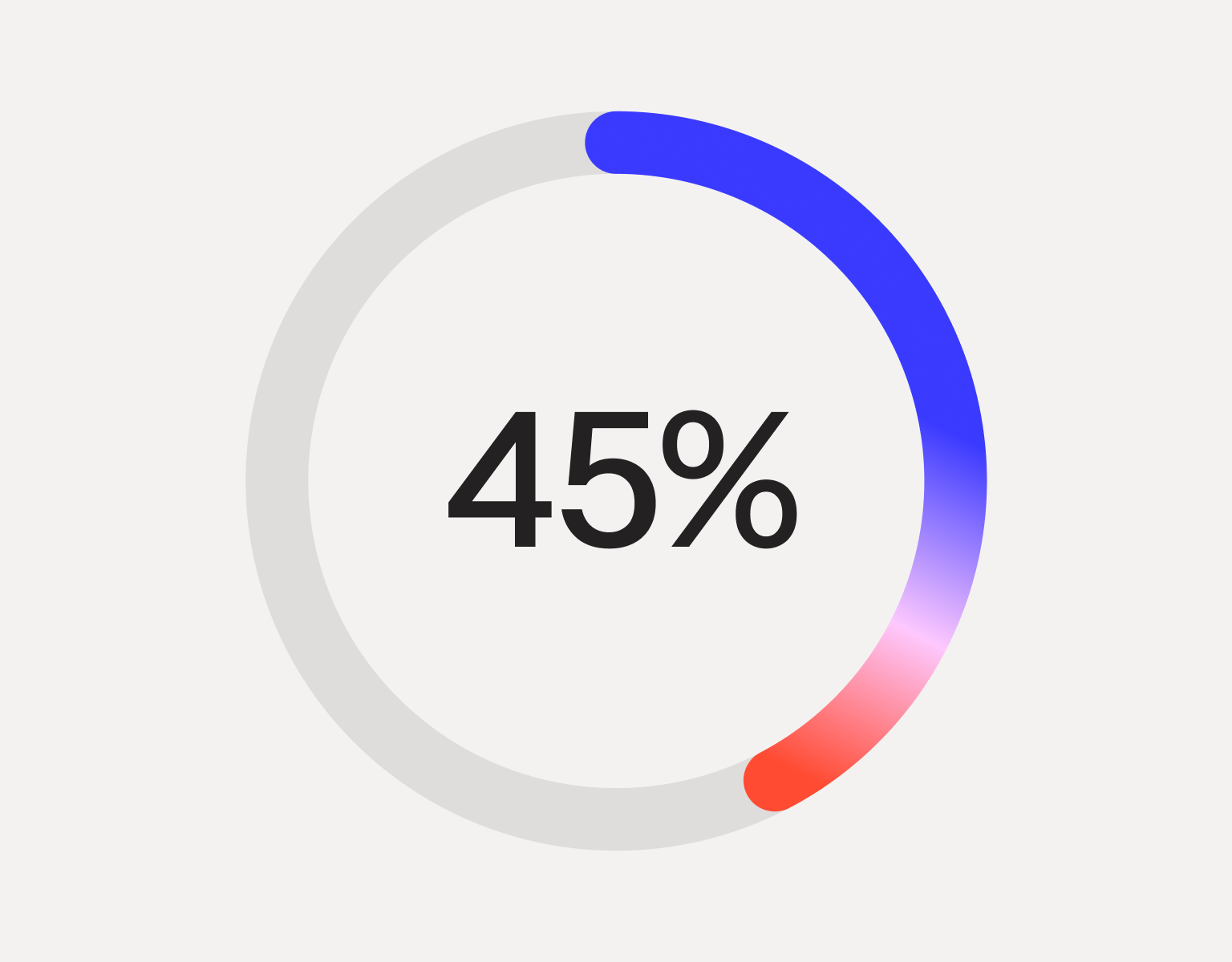
45% want AI for personalization
Marketers want AI to personalize messaging based on customer preferences or match outcomes. Another 33% want it producing campaigns faster, and 24% want it answering Q&A during games.
04 / The match-fit playbook
3 moves separate the brands winning from the brands watching
The playbook
What match-fit brands do differently
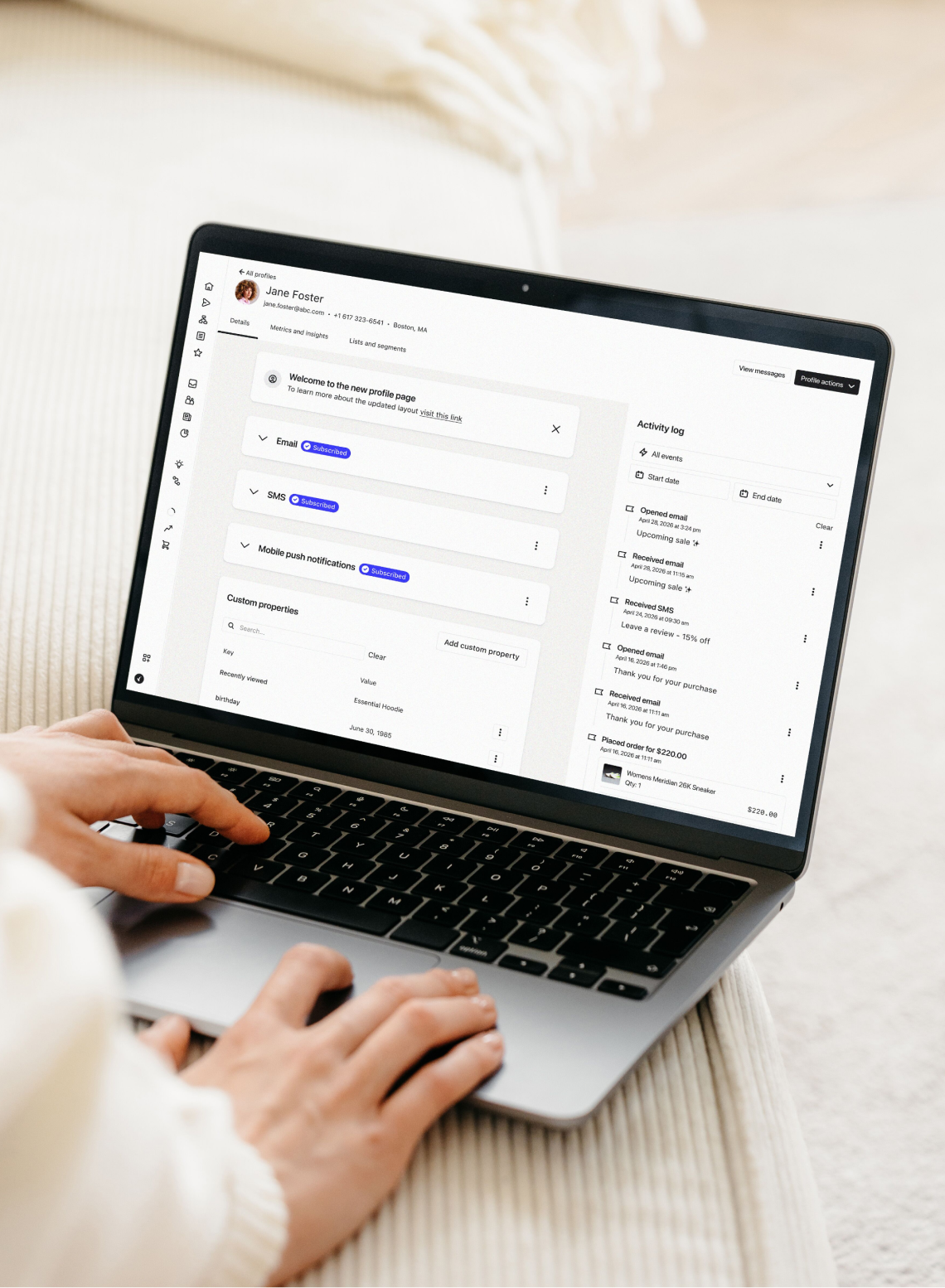
The 41% of marketers who are “very confident” they reach the right customer with the right message are the ones running on real-time profiles. Every signal—purchase, browse, support ticket, opened email, clicked text message—moves you closer to the goal.


Unlock winning strategies
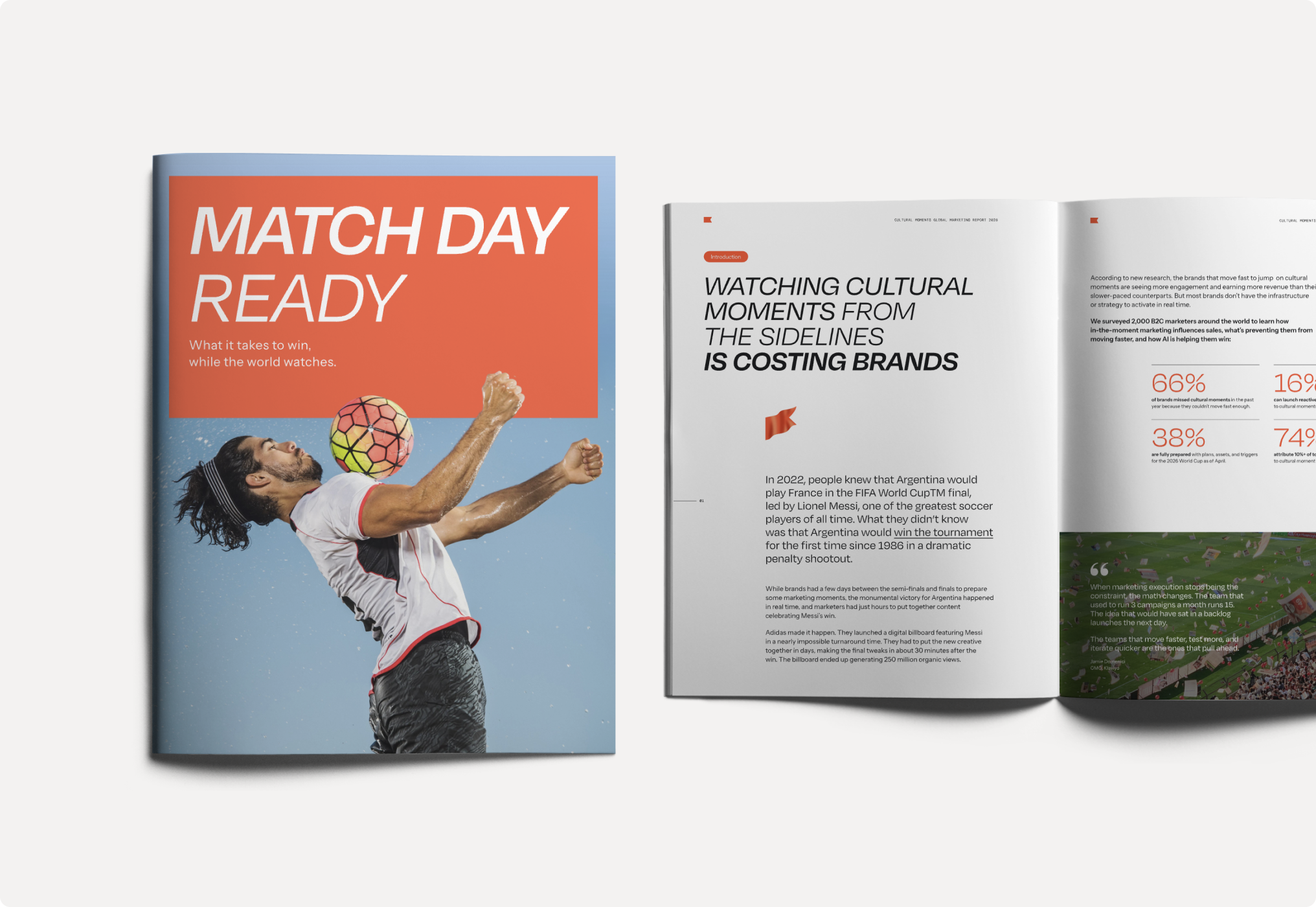
Get the report
8 markets. The full league table, the AI advantage, the playbook. The complete read.
About Klaviyo
Klaviyo is the autonomous B2C CRM
Real-time customer data, intelligence, and AI agents so your brand can match moves with the moment, in real time and across every channel.
Methodology
In April 2026, Klaviyo and Datalily surveyed 2,072 B2C marketers across the United States, the United Kingdom, France, Germany, Spain, Italy, Australia, and Singapore. Respondents represented a mix of company sizes (50 to 5,000+ employees) and roles (founder/CEO through marketing manager). Data weighted by region and company size.